Swiss yodel: a UNESCO World Heritage tradition
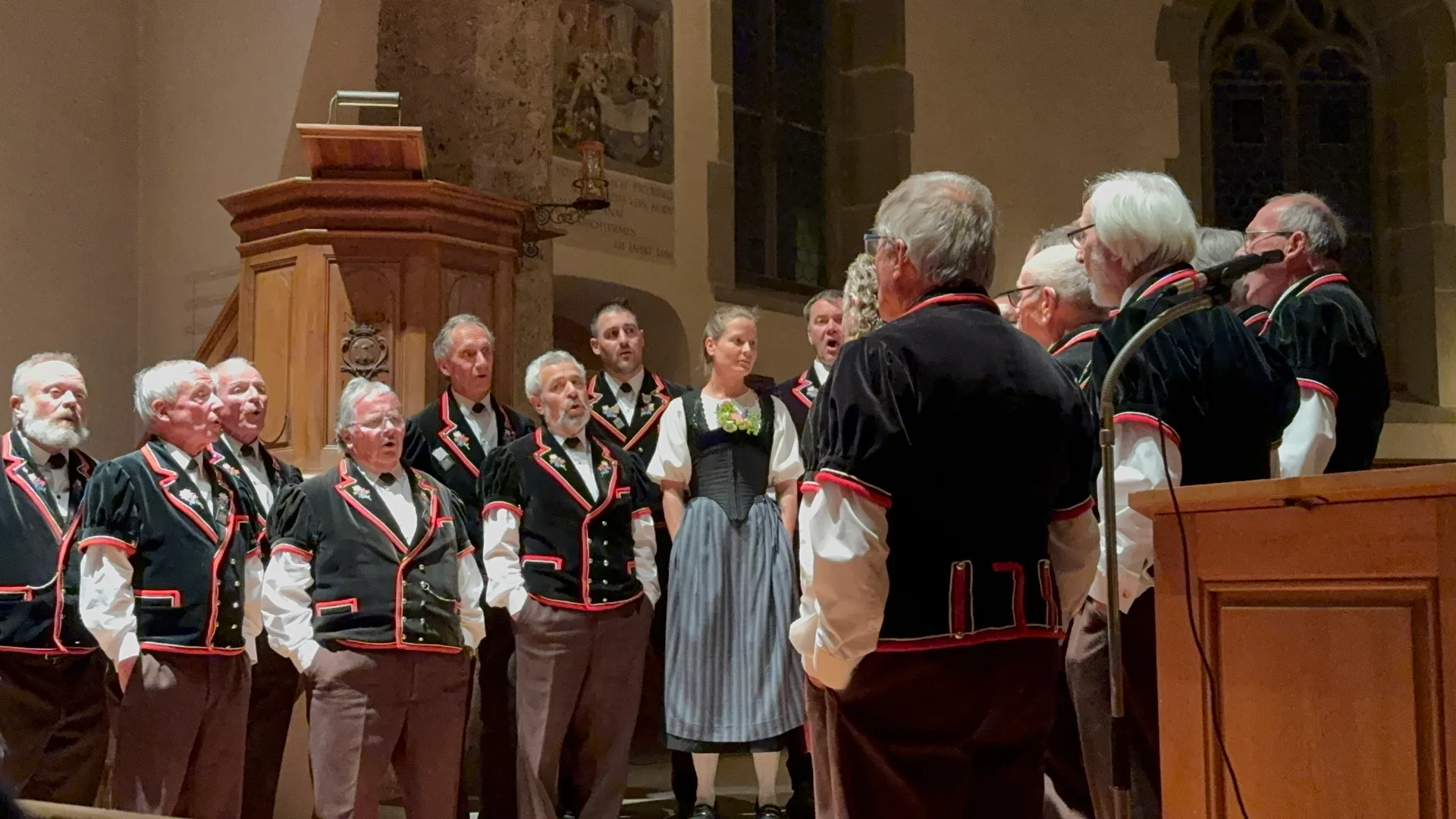
Yodel is a distinctive style of singing in which the performer rapidly alternates between chest voice and falsetto. In Switzerland, it is not merely a technique — it is an important part of cultural heritage, especially in the Alpine regions.
Yodel is a symbol of Swiss identity, an important way of preserving a connection to Alpine traditions, and also a popular cultural and tourist phenomenon.
At the same time, it has not “remained frozen” in the past — contemporary performers blend yodel with pop music and jazz.
What makes Swiss yodel unique:
Sharp vocal transitions
The main “hallmark” of yodel is the sudden shifts between vocal registers, creating the characteristic “yo-o-o-del-ay-ee” sound.
Absence of lyrics
Nonsensical syllables (such as “yo,” “ho,” “dli”) are often used instead of full words.
Connection with nature
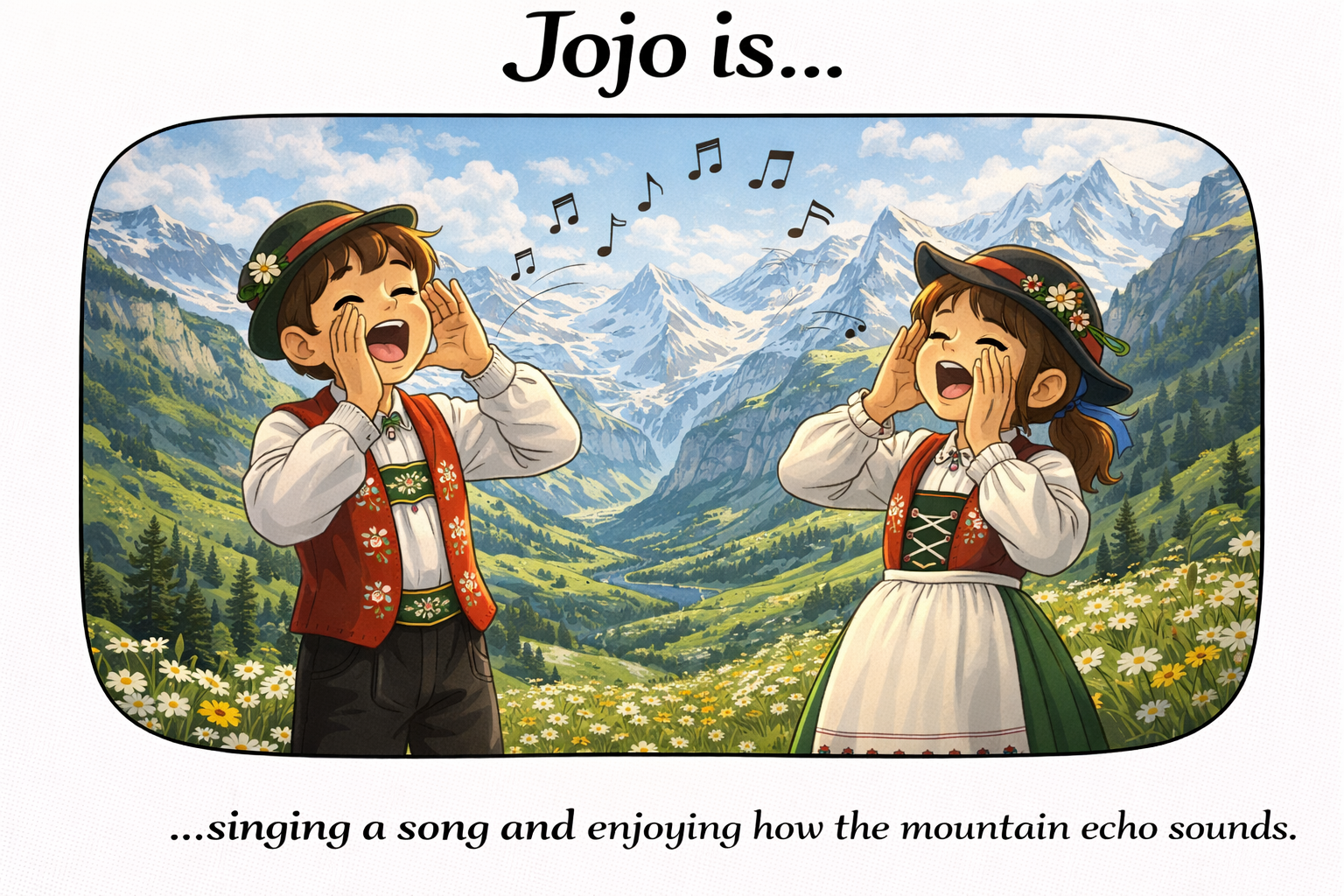
Yodel sounds especially impressive in the mountains — natural echo enhances and enriches the sound.
Communal singing
It is often performed in groups, choirs, or during traditional festivals.
Origins and history
Yodel originated many centuries ago in the Alps as a practical means of communication. Shepherds used it to transmit signals over long distances. Sounds carried easily across mountain valleys. Over time, these signals evolved into a musical tradition. By the 19th century, yodel had become part of folk culture and began to be performed on stage.
Tradition and modernity
Swiss yodel can most often be heard in Alpine villages (especially in the Appenzell region), at folk festivals and fairs, as well as in tourist shows and concerts.
Yodel is often accompanied by the alphorn, traditional instruments, and national costumes.

To experience the most traditional form of Swiss yodel, it is best to travel to the Alps. In small villages (for example, in the Appenzell region), it sounds truly unique. The mountains create a natural echo, making the sound feel more vivid and full.
Events

Region: Bern
Country: Switzerland
- Morges Tulip Festival — Switzerland's Free Answer to KeukenhofApril - May
- Medieval Spectacle Hinwil — Switzerland's Biggest Knight TournamentMay
- Caves Ouvertes Vaudoises — The Swiss Wine Weekend That Lets You Into Local LifeMay
- Swiss National Day — The Complete Guide to August 1st (2026 Edition)August 1
- The Day Rolle Winds Back a Century: The Barrel Organ Festival on Lake GenevaAugust
- Tractors, Confetti and New Wine: Harvest Festivals in SwitzerlandSeptember - October
- When the Bells Come Down the Mountain: Switzerland’s Living Alpabzug TraditionSeptember - October
Tags
Jojo is Joyful Journeys!