Thumbs Up: All About Hitchhiking
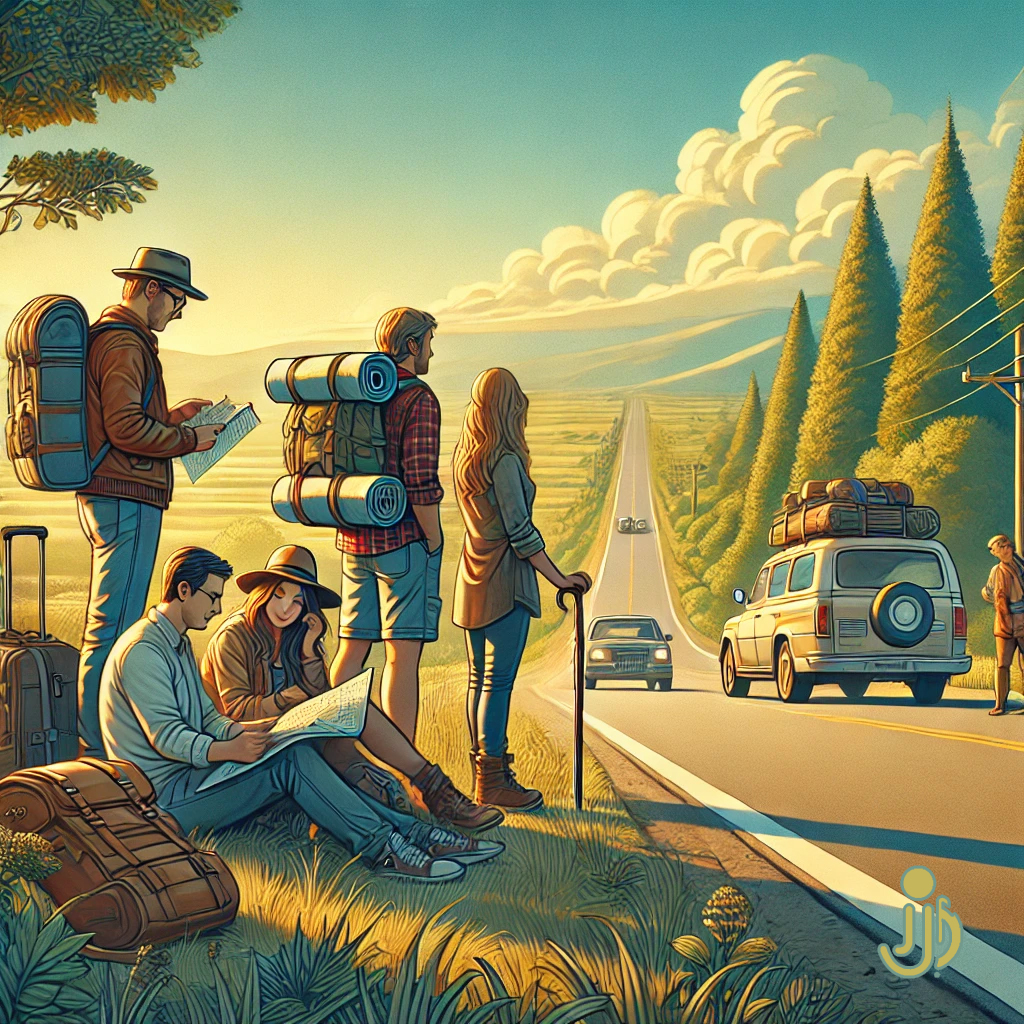
Hitchhiking is a mode of travel where a traveler catches rides with passing vehicles on the road for free. The essence of hitchhiking is to ask drivers heading in the needed direction to give the traveler a lift without paying for the ride. This is a popular way of traveling among people who want to save money on transportation and gain unique experiences.
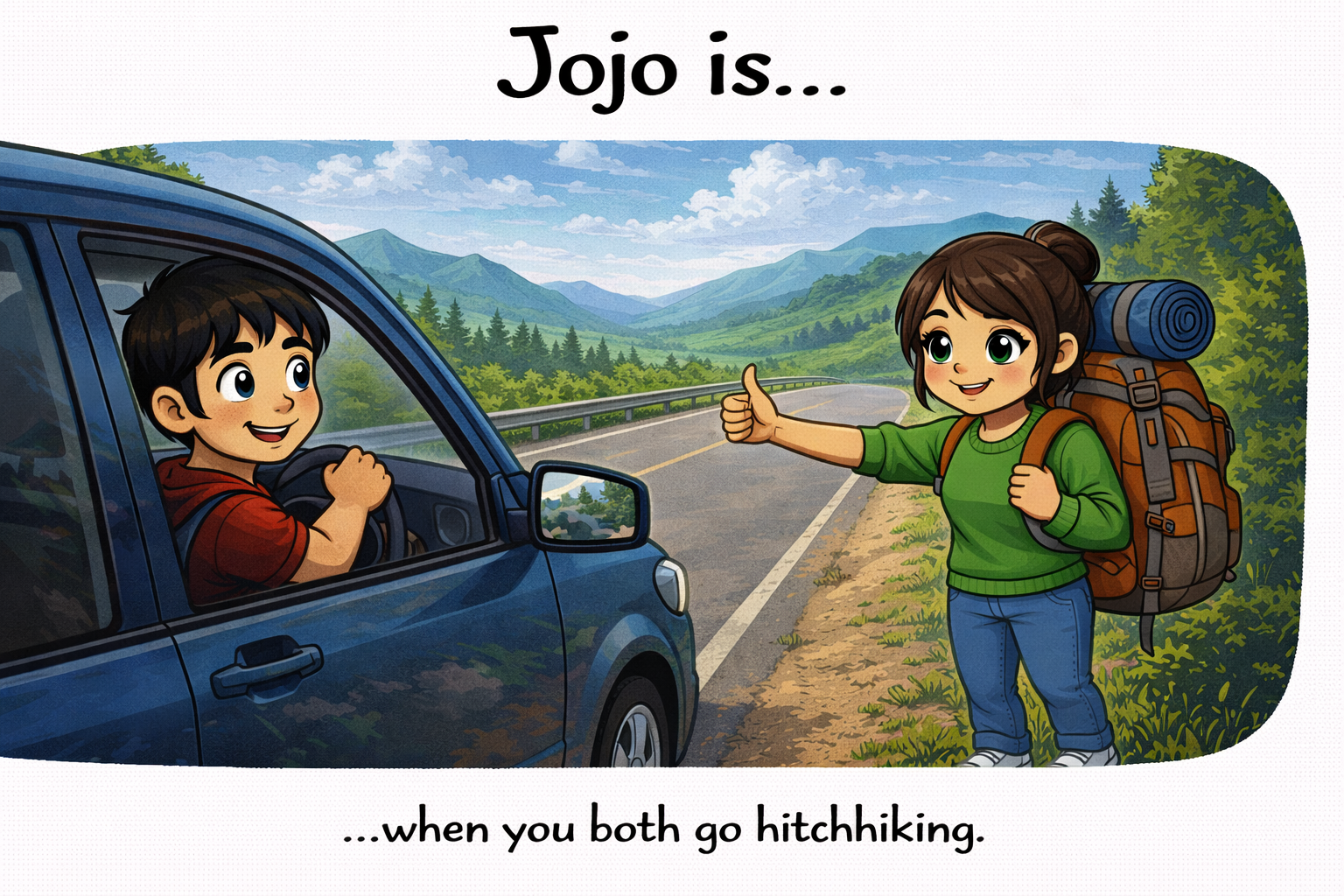
Hitchhiking often involves spontaneity, openness to adventure, and meeting new people. For successful hitchhiking, certain gestures are typically used, such as a thumbs-up to signal drivers for a ride. Hitchhiking can be popular among young people looking for budget travel options as well as those who simply want new experiences and to broaden their horizons by getting to know local culture and people.
Advantages of Hitchhiking:
Saving Money: One of the main advantages is the lack of transportation costs. Hitchhiking allows you to travel for free, which is especially appealing to budget travelers.
New Connections: Hitchhiking provides opportunities to meet different people, learn their stories, and get useful advice about places you’re heading to.
Adventure and Spontaneity: Hitchhiking is always unpredictable, adding an element of adventure and making every trip unique.
Sense of Freedom: The ability to travel your own route and improvise along the way creates a feeling of complete freedom.
Cultural Immersion: Interacting with locals offers a chance to learn more about the traditions, customs, and characteristics of a region.
Disadvantages of Hitchhiking:
Safety Concerns: The main drawback is potential risks associated with strangers. Safety should always come first, so it's recommended to stay vigilant and be prepared for unexpected situations.
Unpredictability: There is no guarantee that you'll be picked up quickly or reach your destination without transfers, leading to delays and long waits on the road.
Comfort Level: The comfort level of hitchhiking varies. It could range from pleasant rides with friendly drivers to uncomfortable trips with less-than-ideal conditions.
Weather and Waiting Conditions: Sometimes, long waits on the road occur in various weather conditions (rain, heat, cold).
Legal Restrictions: In some countries or regions, hitchhiking might be prohibited or regulated by specific rules.
Overall, hitchhiking is an interesting and accessible way to travel, but it requires preparation, vigilance, and readiness for unexpected situations.
Who Typically Hitchhikes:
Youth and Students: Young people, often students, use hitchhiking as a way to explore the world on a limited budget. For them, it’s an opportunity to save money, experience adventure, and create lasting memories.
Travel Enthusiasts: Those for whom travel is a lifestyle often prefer hitchhiking to experience the culture of countries and cities up close and to communicate with locals.
Backpackers: Travelers with backpacks who prefer minimalist and affordable means of travel often use hitchhiking to get from place to place.
Budget Travelers: Those looking to cut transport costs can use hitchhiking as a means of reducing expenses during a trip.
Adventurers and Spontaneity Lovers: People who value unpredictability and adventure choose hitchhiking to gain unique experiences and feel the thrill.
Bloggers and Content Creators: Travelers who maintain blogs or create travel content often use hitchhiking as a way to share their adventures and tell unique stories.
Experimenters and Researchers: People who want to try something new or study the social aspects of travel choose hitchhiking for conducting experiments or research.
Budget-Conscious Travelers: Travelers who aim to visit as many places as possible but cannot afford regular transport costs often turn to hitchhiking.
Where Hitchhiking is Recommended:
Europe: Many Western and Eastern European countries are known for their friendly hitchhiking culture. France, Germany, Poland, Czechia, and the Scandinavian countries (Sweden, Norway) are considered safe and popular for hitchhikers, with many open and kind drivers willing to help.
Turkey: Hitchhiking is popular here, and many locals are happy to give travelers a ride, often offering snacks or drinks along the way.
Georgia and Armenia: These countries are famous for their hospitality, making hitchhiking pleasant and safe.
New Zealand and Australia: There is a culture of hitchhiking, and travelers can often rely on the help of locals, especially in tourist-friendly areas.
South America: Chile and Argentina are known hitchhiking destinations due to safe road conditions and friendly drivers.
Where Not to Hitchhike:
Some Asian Countries: For example, in India and Pakistan, hitchhiking is less common, and the road conditions and traffic rules can be challenging and unsafe for beginners. In countries with high crime rates, hitchhiking can also be dangerous.
Certain African Regions: In some African countries, particularly in unsafe or politically unstable areas, hitchhiking can be associated with significant risks.
The USA (Certain States): In some US states, hitchhiking is either prohibited or regulated by law, especially on highways and major roads. It’s best to research local rules and laws beforehand.
Mexico: Although hitchhiking is possible, some regions can be dangerous due to crime, especially in remote areas.
The Middle East: Hitchhiking is less common here, and in some countries, there may be safety or legal issues, especially in conflict zones.

Always research information on safety, culture, and laws of hitchhiking in the country you are planning to visit. Inform friends or family about your route and stay in touch. Avoid hitchhiking at night or in poorly lit areas. In areas with low safety levels, avoid hitchhiking alone.
Tags

Jojo is Joyful Journeys!