Caves Ouvertes Vaudoises — The Swiss Wine Weekend That Lets You Into Local Life
Event schedule:
Most tourists in Switzerland see the postcard: mountains, chocolate, trains. They don't see the part where you walk into a family's basement, the owner pours you a glass of something that never leaves the country, and you sit at a wooden table with strangers eating saucisson and arguing about which village makes the best Chasselas.
That's Caves Ouvertes.
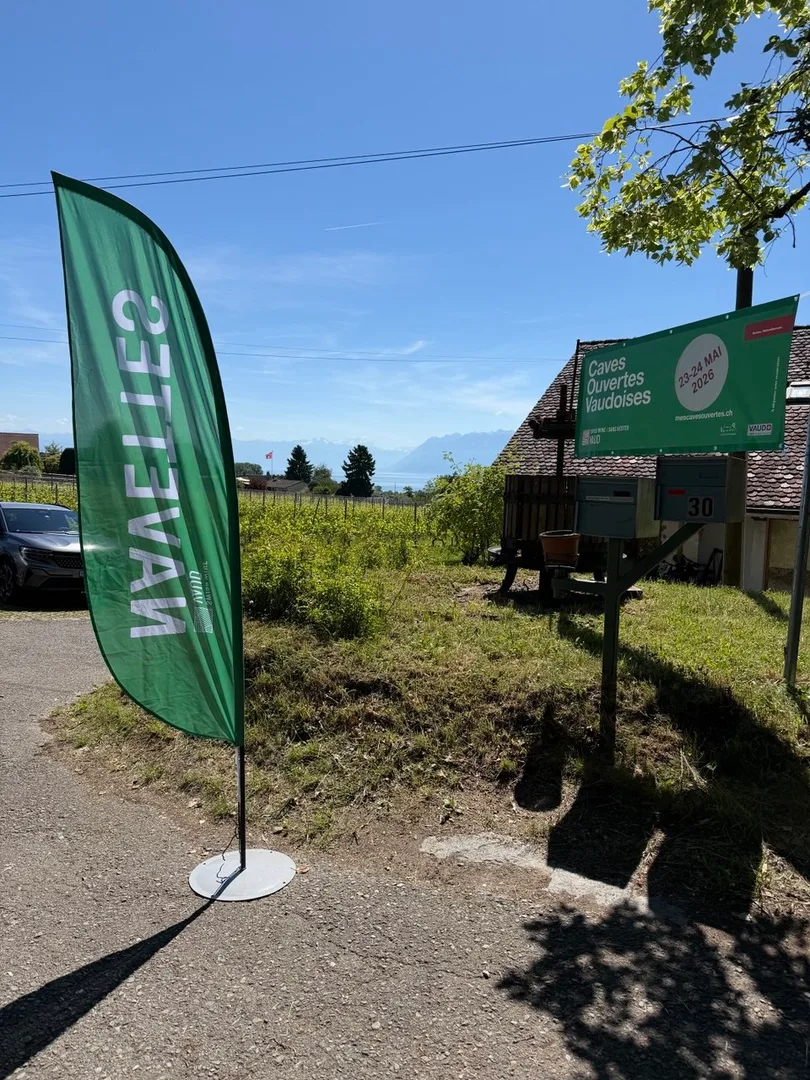
Once a year, over 250 wineries across Canton Vaud open their doors at the same time. You buy a wristband, pick up a glass, and walk from cellar to cellar — tasting wines, meeting the families who make them, and discovering a side of Switzerland that regular tourists never see.
It's not an alcohol festival. It's not a commercial trade show. It's a cultural ritual. For the people of Vaud, the phrase "On va faire les caves" ("Let's go do the cellars") marks the unofficial start of summer. And if you're lucky enough to be here for it, you'll understand why many come back every single year.
How It Works
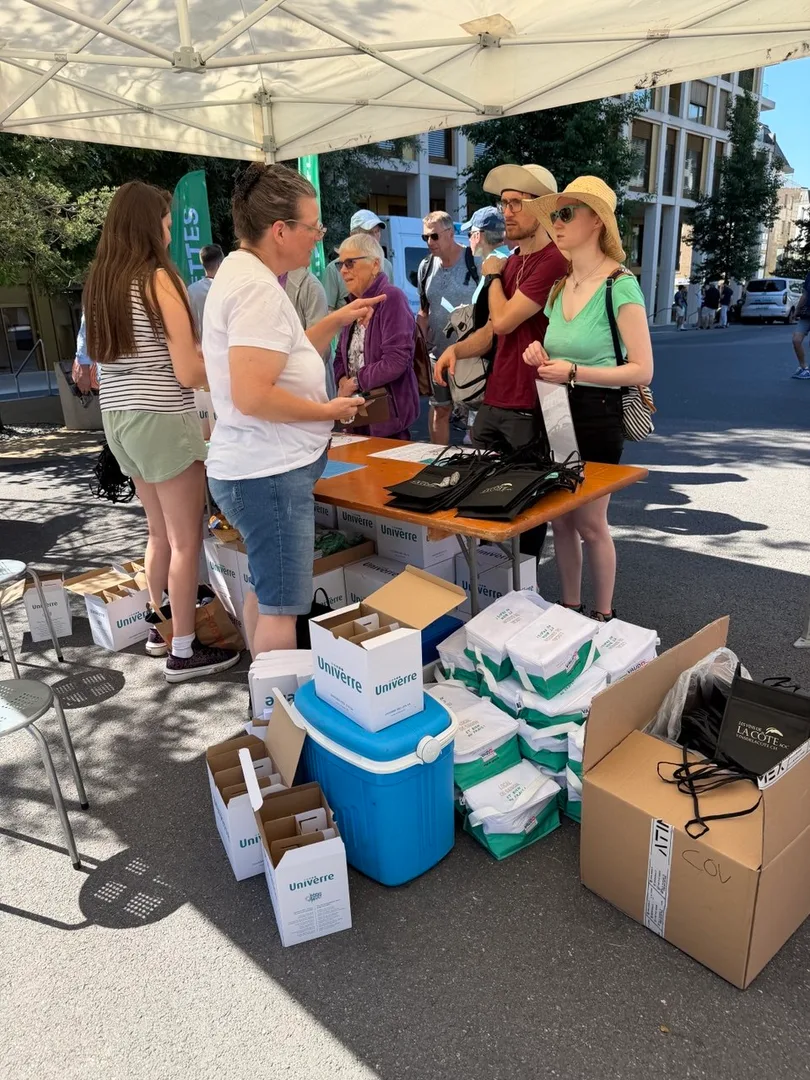
Buy a pass online (CHF 40). On the day, exchange it for a wristband, a tasting glass, and a small carry bag. That wristband is your key to every participating cellar across six wine regions for the entire weekend.
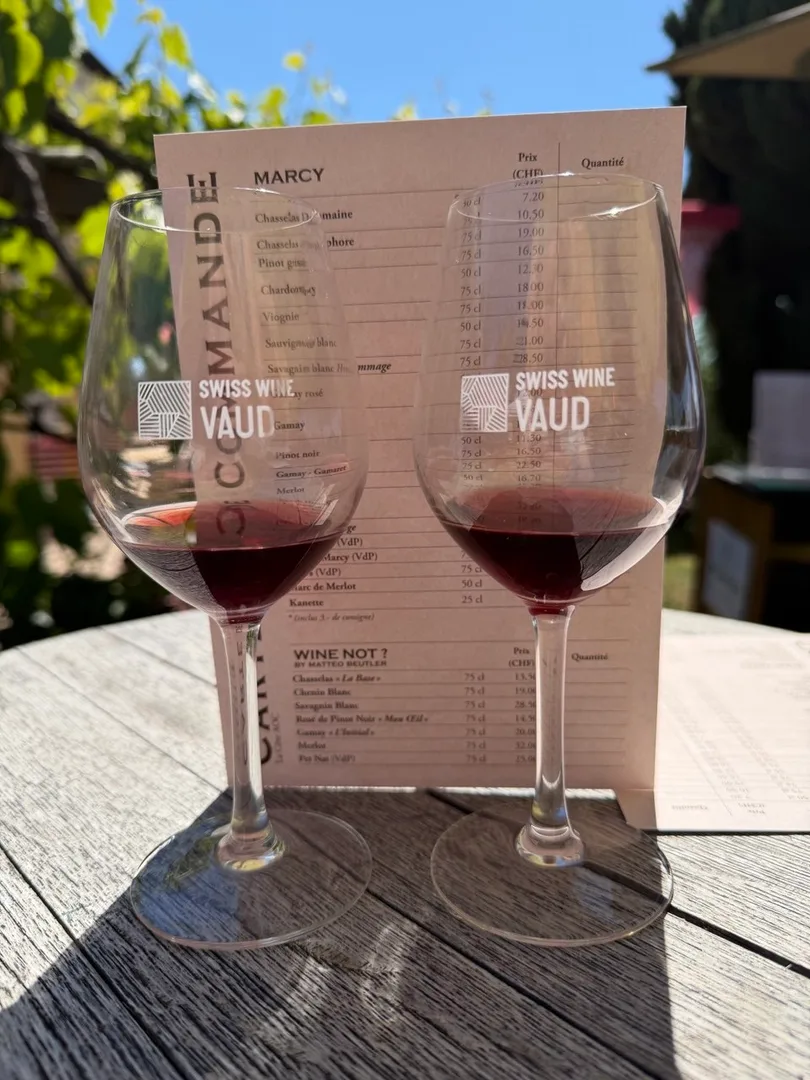
The pass also includes a CHF 20 voucher (valid when buying 6 bottles) and — if purchased online — a two-day public transport pass covering trains, buses, and metro across the entire canton.
Free shuttle buses run between villages and cellars every 20–45 minutes. No car needed — in fact, driving is the worst option. The entire event is built around the idea of tasting without driving.
Show up at any cellar, present your glass, taste, talk, move on. From 10:00 AM to 6:00 PM, both days.
What Makes This More Than a Wine Festival
You walk into someone's home
In most countries, a wine tasting means a shop, a bar, or a fancy salon. Here, you walk into a family cave — a basement, a courtyard, a terrace, sometimes literally the winemaker's house. The owner or their family pours for you. You can ask about the harvest, the soil, the weather, the history of their domaine, or just life in the village.
This personal contact is the heart of the event. It's why most regulars arrive early in the morning — before the crowds, while the air is cool and the winemakers have time to talk.
The culture of the carnotzet
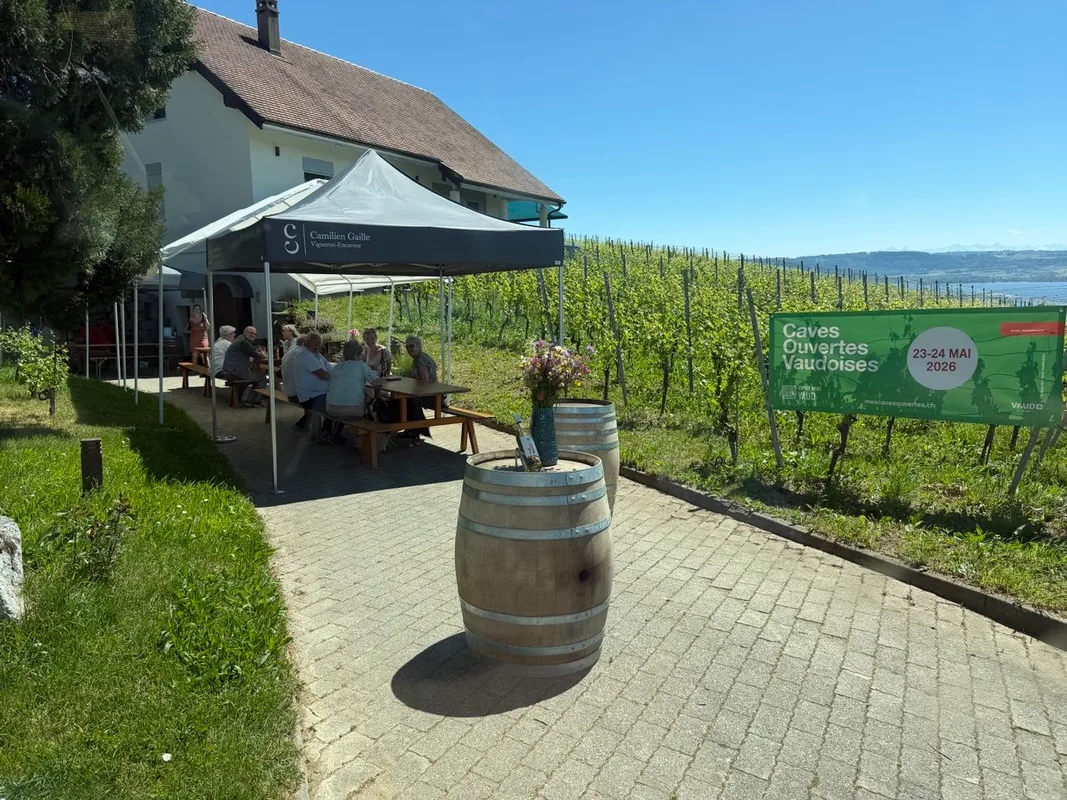
A carnotzet is a small cellar room for wine and conversation — wooden tables, local cheese, saucisson, wine, and hours of unhurried talk. During Caves Ouvertes, many cellars transform into exactly this. People sit at long communal tables, strangers become friends, and nobody is in a rush.
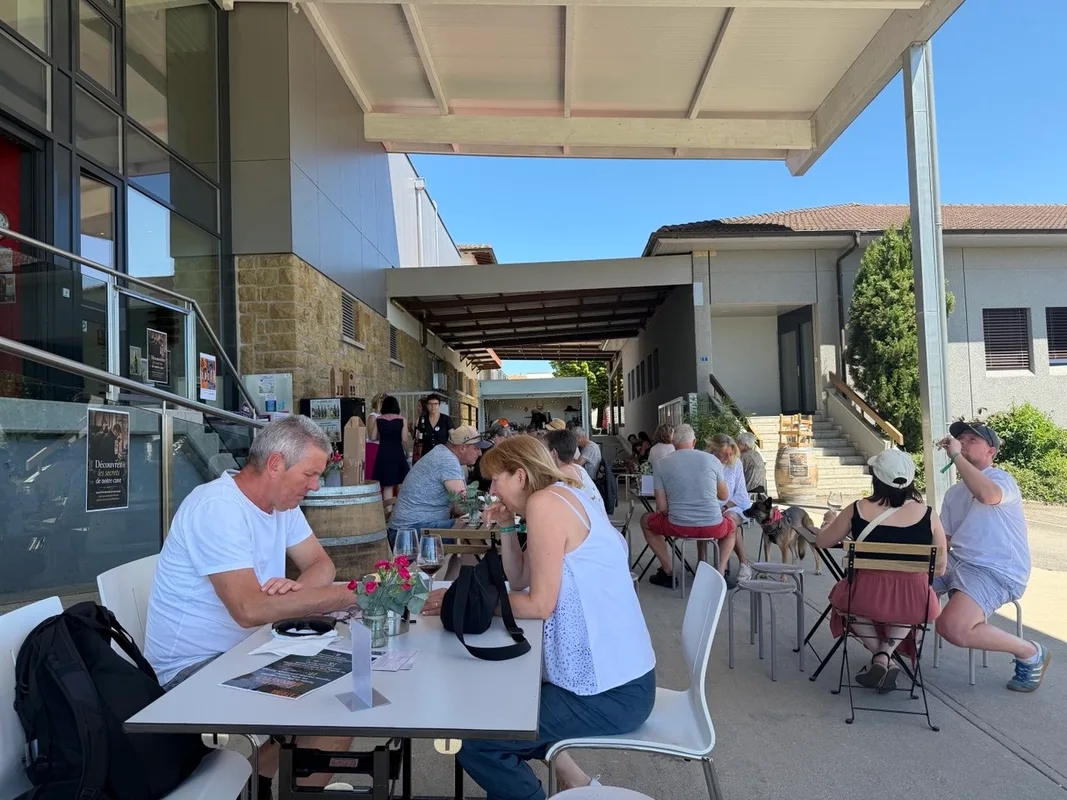
This is part of Romandie's social culture — the French-speaking Swiss tradition of gathering around food, wine, and conversation.
Walking between cellars through vineyards
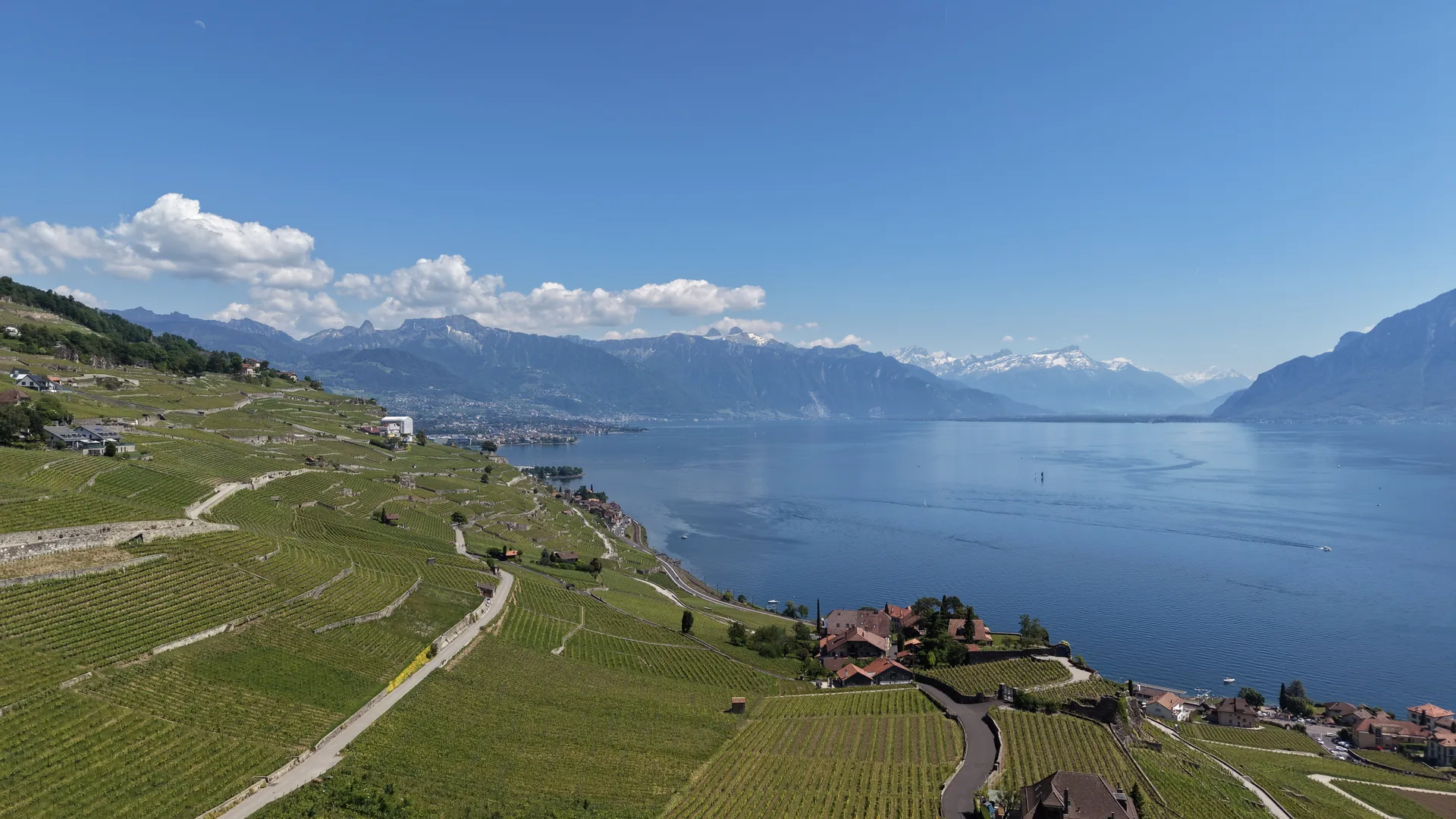
The event isn't built around a single venue — it's built around a route. Especially in Lavaux, the best way to experience it is on foot. You walk between villages through UNESCO-listed terraced vineyards, with Lake Geneva below and the Alps across the water. Every 10–20 minutes, another cellar appears.
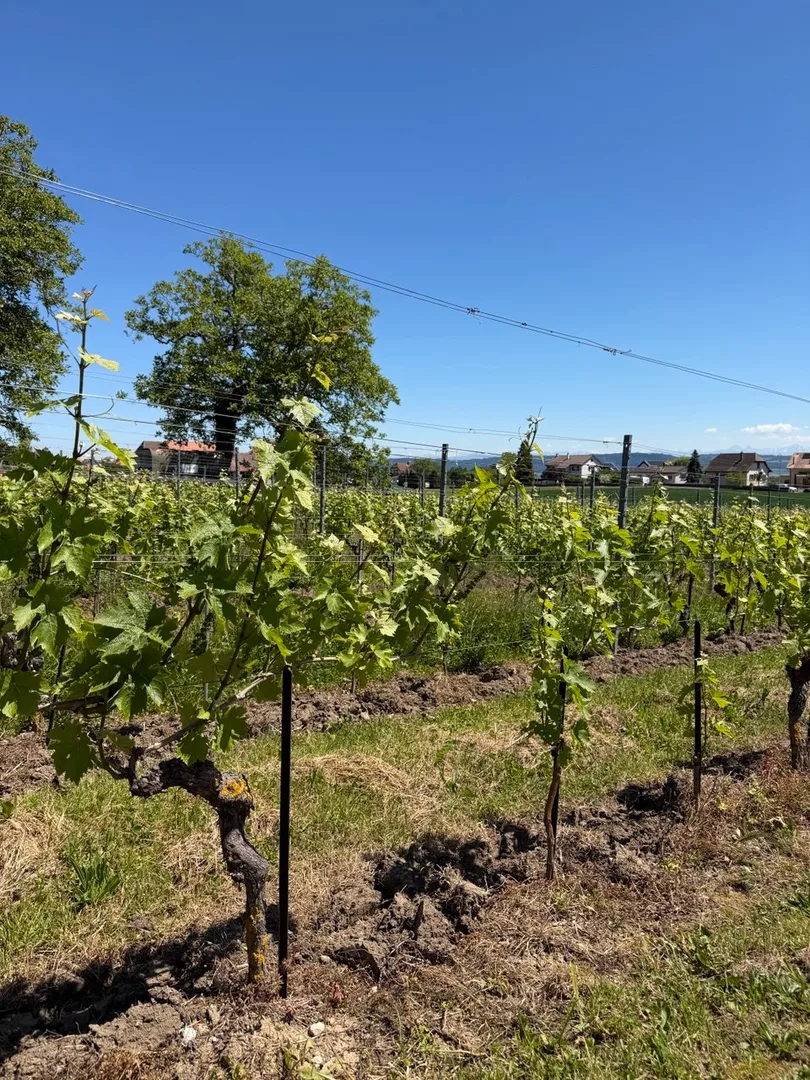
It's a blend of wine tasting, hiking, village culture, and gastronomy — all in one day.
No pressure to buy
There's no commercial aggression. Nobody pushes sales. You can spend twenty minutes talking to a winemaker and leave without buying a single bottle. The atmosphere is "get to know our wine and our region" — not "buy now."
Chasselas as almost a religion
During the event, locals discuss the nuances of Chasselas with a seriousness that surprises foreigners. Terroir, minerals, slope exposure, village differences — in Vaud, Chasselas is treated the way Burgundy treats Pinot Noir. Whether you end up loving it or not, after two days of Caves Ouvertes, you'll recognize this grape blindfolded.

10 THINGS YOU SHOULD DEFINITELY DO WHEN VISITING CAVES OUVERTES
There are a few things that truly make the experience feel complete. Even if you only manage to do these, you’ll already have had a wonderful day.
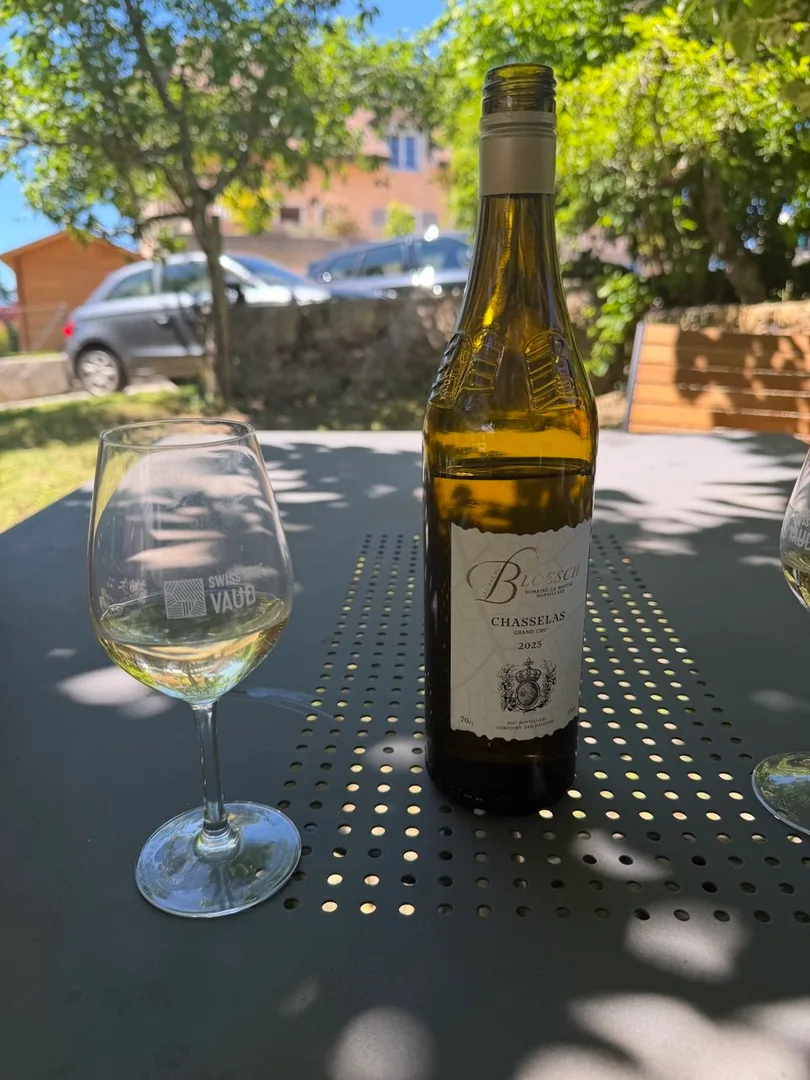
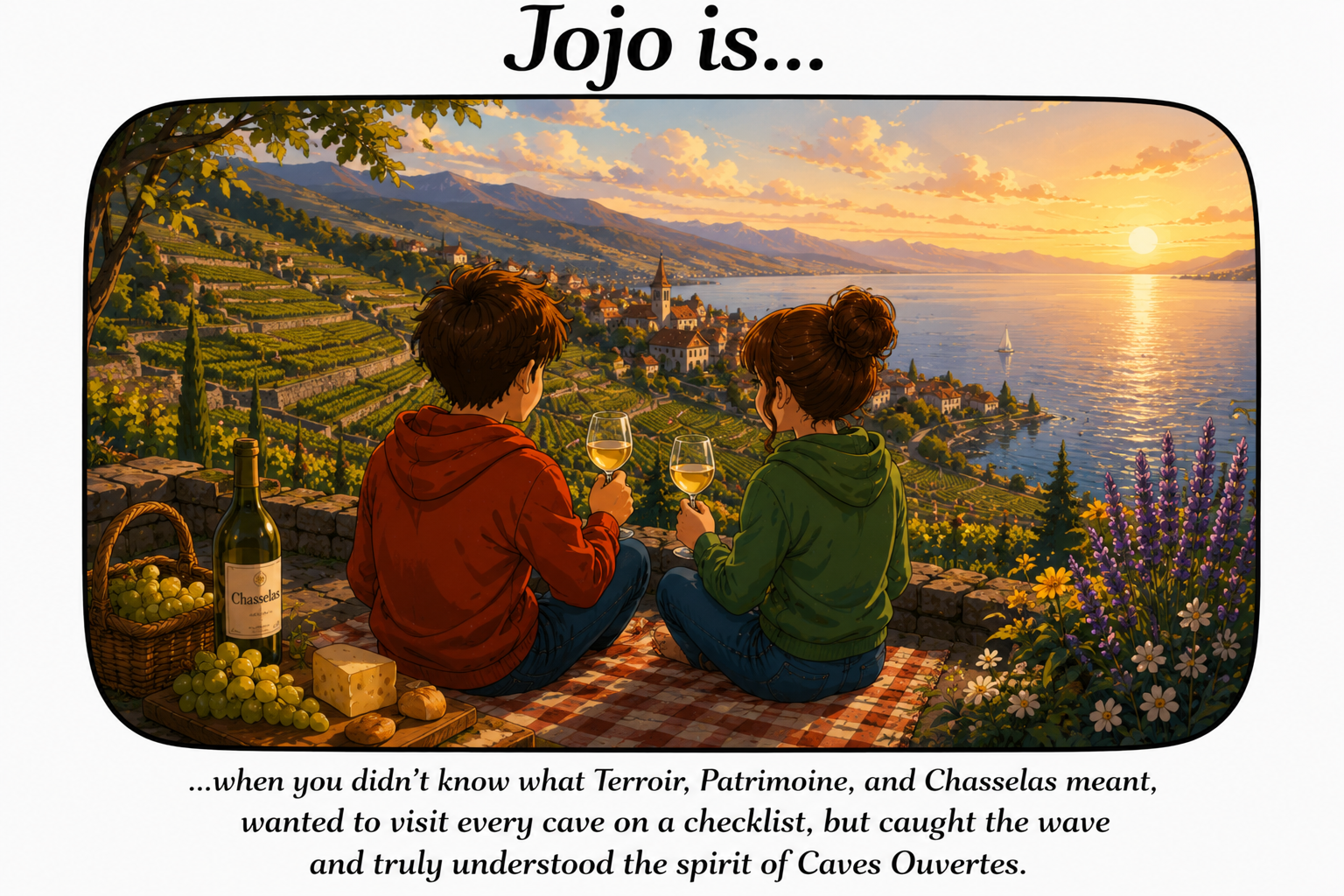
Have a glass of Chasselas with a view of Lake Geneva
This is almost a Vaud ritual. Ideally, do it in Lavaux, on a terrace, around midday or at sunset.
Talk to a winemaker for at least 10–15 minutes
Don’t just taste and move on. Ask about the terroir, what was challenging about the vintage, how the neighbouring village differs, or what they personally like to drink at home. This is really the heart of the event.
Walk through the vineyards
Especially the routes from Cully to Epesses or from Epesses to Saint-Saphorin. The walk between the caves is what gives the day its magic.
Have a proper apéro
Not just a quick snack on the go, but a glass of wine, some cheese, saucisson, sunshine, good conversation, and no rush.
Visit at least one small family-run cave
This is often where the best experiences happen. Family wineries usually have a warm, homely atmosphere; the owner may pour the wine personally, and you might get to taste something rare or unexpected.
Try something beyond the classic Chasselas
For example, Gamaret, Plant Robert, Mara, an older vintage, or a sweet wine. Otherwise, it is easy to come away thinking that “everything tastes the same.”
Buy a bottle from a winemaker you genuinely liked
Not because of ratings, but because of the feeling. Later, when you open that bottle at home, it will bring back the whole day — and that is part of the tradition.
Stay in a village until the end of the day
After 4 or 5 pm, the atmosphere becomes especially lovely. People relax, the apéros get longer, music starts playing, and the golden hour settles over the lake.
Say at least once: “On va faire les caves.”
It is practically a local seasonal ritual.
Don’t rush
This is the most important part. The best moments at Caves Ouvertes are usually not planned — they simply happen. It might be a random cave, an unexpected conversation, a view around the next corner, a table shared with strangers, or “just one more little glass.”
The Six Wine Regions
Each region has its own character. Choose one for the day — don't try to cover the whole canton.
Lavaux — The most famous. UNESCO terraces above Lake Geneva. Chasselas heartland. Stunning views, most tourists. Vibe: wine + panorama + romance.
La Côte — The most relaxed. Gentle hills between Lausanne and Geneva. Good whites, rosé, and light reds. Fewer crowds. Vibe: apéro with friends, easy-going weekend.
Chablais — More Alpine, more serious. Mountain terroir, mineral whites, fewer tourists. Vibe: mountain wine culture.
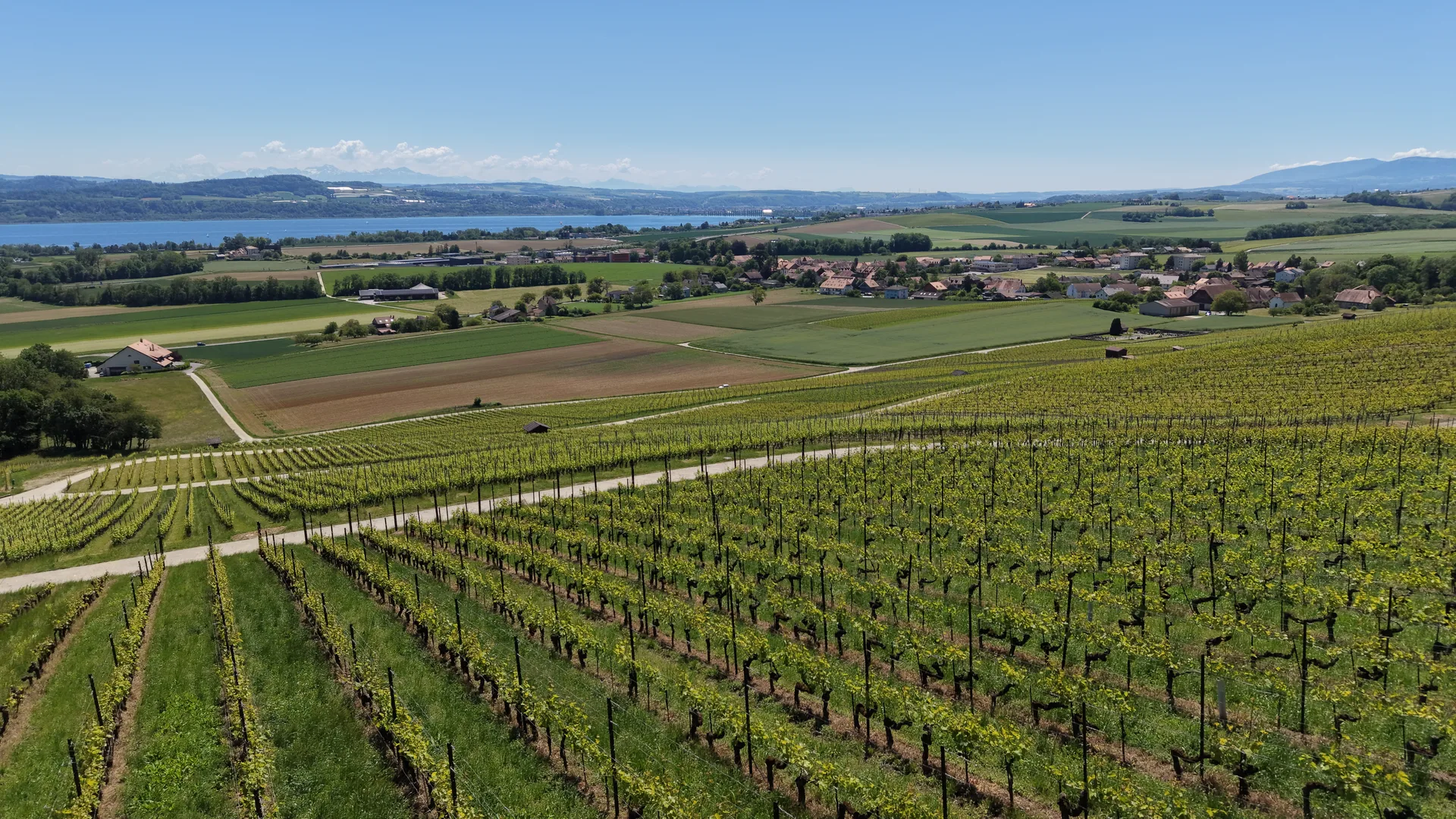
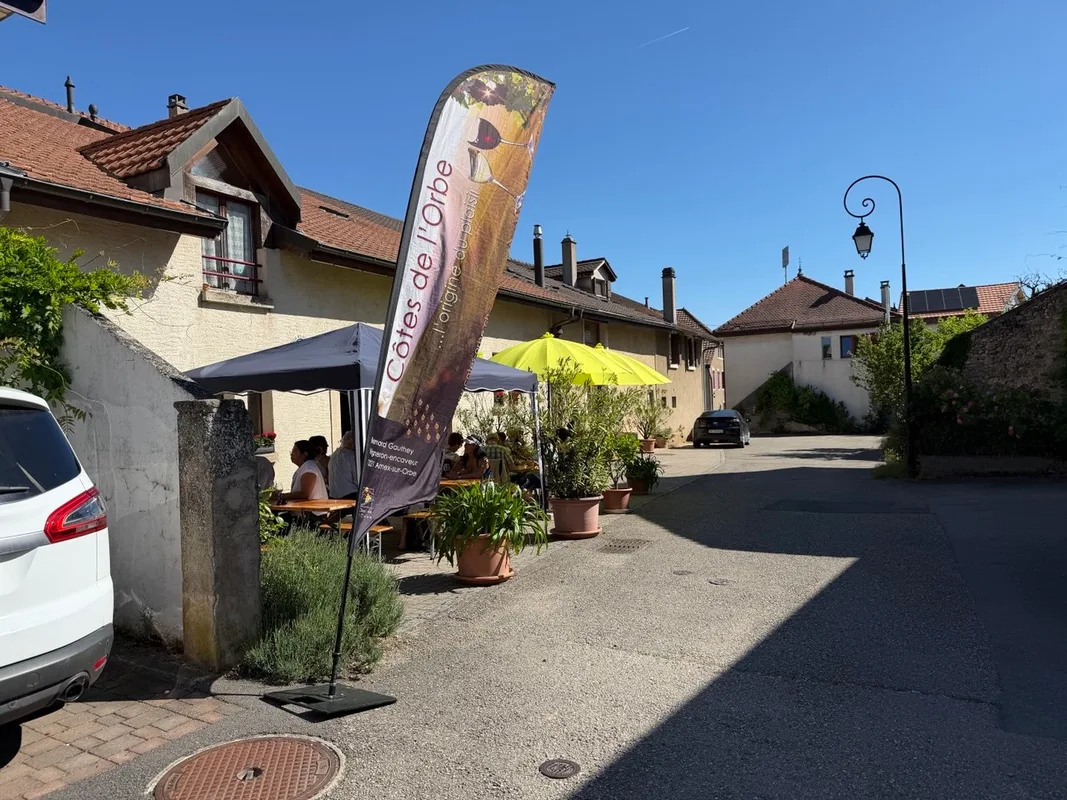
Côtes de l'Orbe — Lesser known, more rural, more authentic. Interesting reds and rare varieties. Vibe: for those who love discovering hidden gems.
Bonvillars — Small, quiet, family-run estates. Classic rural Switzerland. Vibe: slow wine countryside.
Vully — Tiny region at Lake Morat. A blend of French and German-speaking culture. Good Pinot Noir and Traminer. Vibe: calm lake escape.
Planning Your Day
Which day?
Saturday — fullest program, best evening atmosphere, more people. Choose this for the complete experience.
Sunday — shorter, calmer, more family-friendly. Better with children or if you prefer a quieter pace.
How many cellars?
Optimal: 4–6. This gives you 45–60 minutes per cellar plus walking time. In 6 hours, you'll comfortably visit 5 cellars with time for lunch, views, and conversation.
Maximum: 7–8 — only if they're close together and you're disciplined with tasting.
More than 8 — turns into a race. Flavors blur, conversations shorten, and you'll miss the point entirely.
Ideal day plan
10:00  Arrive → pick up wristband and glass
10:30  First cellar (start with whites)
11:30  Second cellar
12:30  Lunch — local cheese, saucisson, terrace with a view
14:00  Third cellar
15:00  Fourth cellar (try reds and rare varieties)
16:00  Fifth cellar — the one with the best view or food
17:00  Stay in the village for the golden hour apéro
Suggested routes by train
Lavaux: Lutry → Cully → Epesses → Chexbres
La Côte: Morges → Rolle → Allaman
Chablais: Aigle → Yvorne → Ollon
Wine Tasting Guide
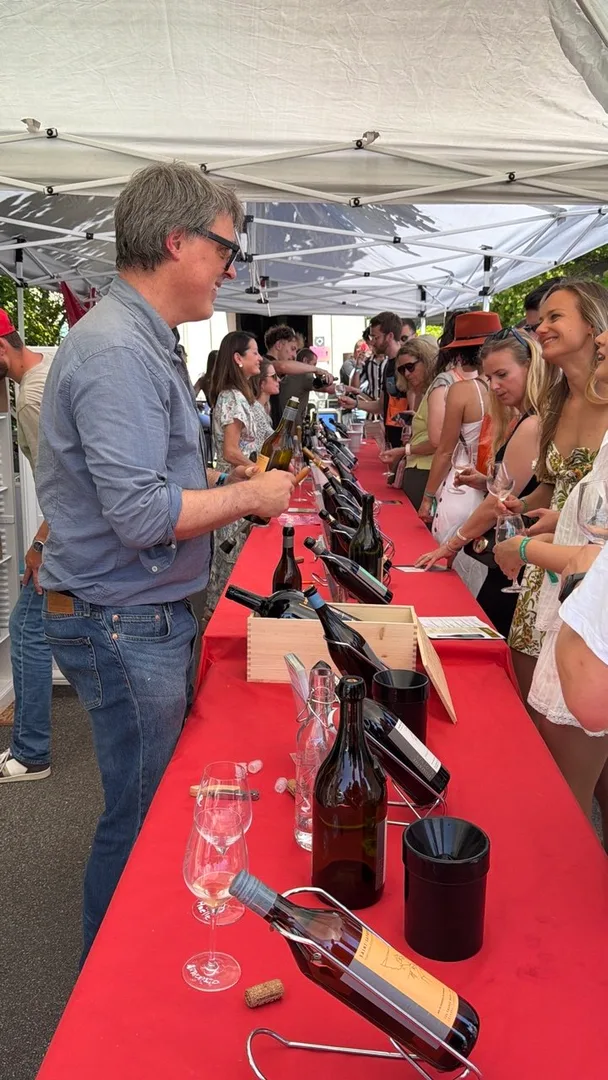
Order of tasting
Start light, finish heavy — this preserves your palate:
Sparkling and rosé — great to start, especially in warm weather
Chasselas (white) — the must-try. Look for Dézaley, Epesses, Calamin, Yvorne, Féchy, Mont-sur-Rolle
Other whites — if available
Light reds — Pinot Noir, Gamay
Full reds — Gamaret, Garanoir, Galotta, Mara
Sweet and dessert wines — vin doux, passerillé, vendanges tardives. These aren't always offered openly — ask, and they might pour something special
At each cellar
Taste 2–4 wines, not the entire list. Spitting is completely normal and expected — it's the standard at any professional tasting. Drink water between cellars. Eat along the way.
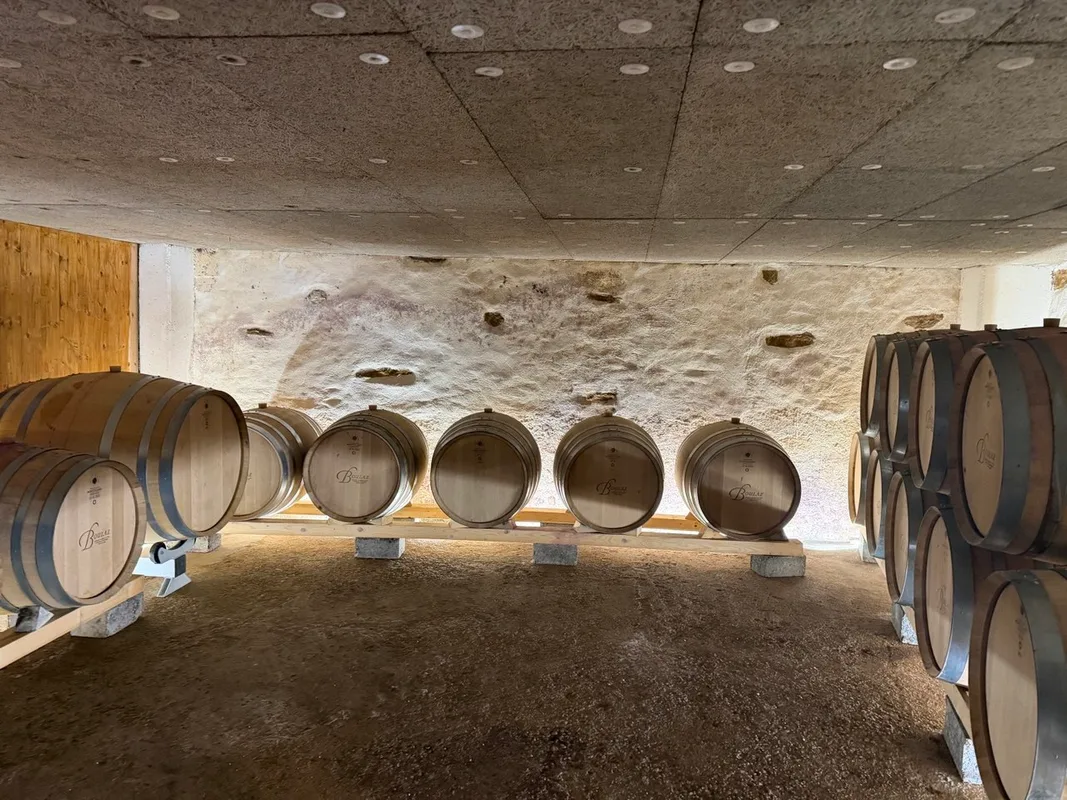
What to eat
Local specialties: tomme vaudoise (cheese), saucisson vaudois, tarte au fromage, malakoffs (fried cheese balls), cheese boards. Don't eat too heavy before tasting delicate whites.
What to try by region
Lavaux — Chasselas with minerality is the star. Seek out Dézaley and Calamin (the two Grand Cru appellations). Wines here reflect the lake and the stone terraces — often tight, precise, and mineral.
La Côte — Lighter, rounder Chasselas. Good Pinot Noir, Gamay, and rosé. More approachable wines, great for newcomers.
Chablais — Yvorne and Aigle produce Chasselas with a more "stony," Alpine character. If you like crisp, dry whites, this is your region.
Côtes de l'Orbe / Bonvillars — More interesting for reds and unusual grape varieties you won't find elsewhere. Plant Robert, Gamaret, Garanoir — this is where to explore beyond Chasselas.
Vully — Small production, good Pinot Noir and Traminer. A different style from the rest of Vaud.
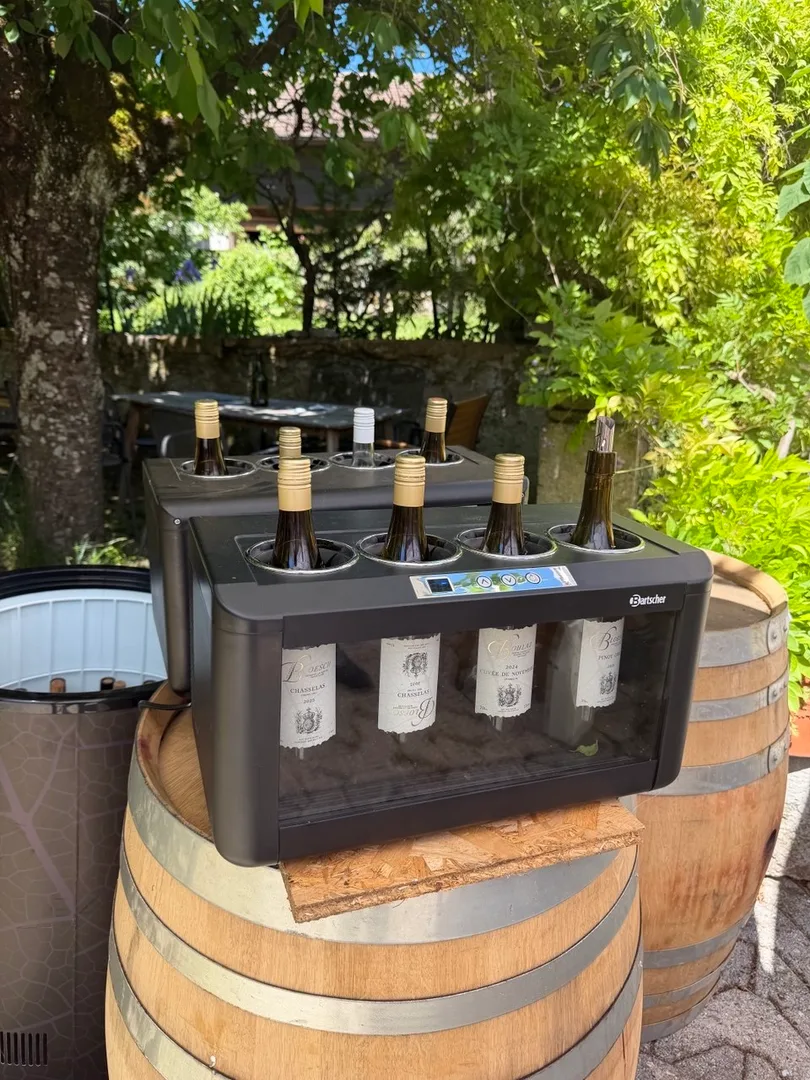
Transport — What You Need to Know
The transport system is well-organized, but there are important nuances that catch first-timers off guard.
What's included with your online pass: SBB trains across Canton Vaud, local buses, Lausanne metro (m1/m2), and free shuttle buses to villages and cellars.
Not included: CGN boats on the lake, tourist mini-trains, taxis.

Shuttles are typically small minibuses with limited seats, running fixed loops between cellars listed on the official route map. You can get on and off at any stop. But: if a shuttle arrives full and nobody gets off at your stop — you can't board. You wait for the next one. In some regions, the next shuttle is 30–45 minutes later. On busy Saturdays, this can mean waiting over an hour, completely derailing your planned route.
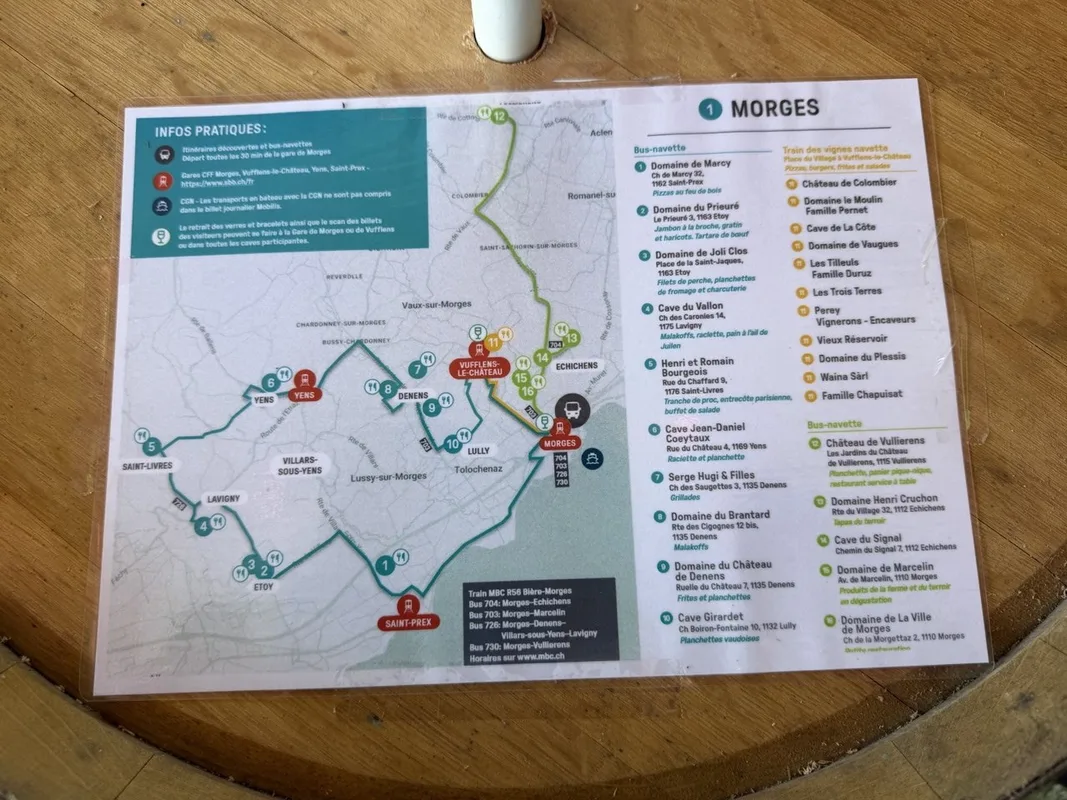
Your options when this happens: walk to the next cellar if it's close, use regular public transport (covered by your Mobilis pass), or simply adjust your plan and stay longer where you are.
Large regional buses in peak hours are a different problem — not capacity limits, but sheer overcrowding. In the afternoon heat, packed buses with no air circulation become genuinely uncomfortable. Delays and occasional breakdowns happen too.
Shuttle hours: roughly 10:00 AM – 5:30 PM. After that, you're on your own with regular public transport.
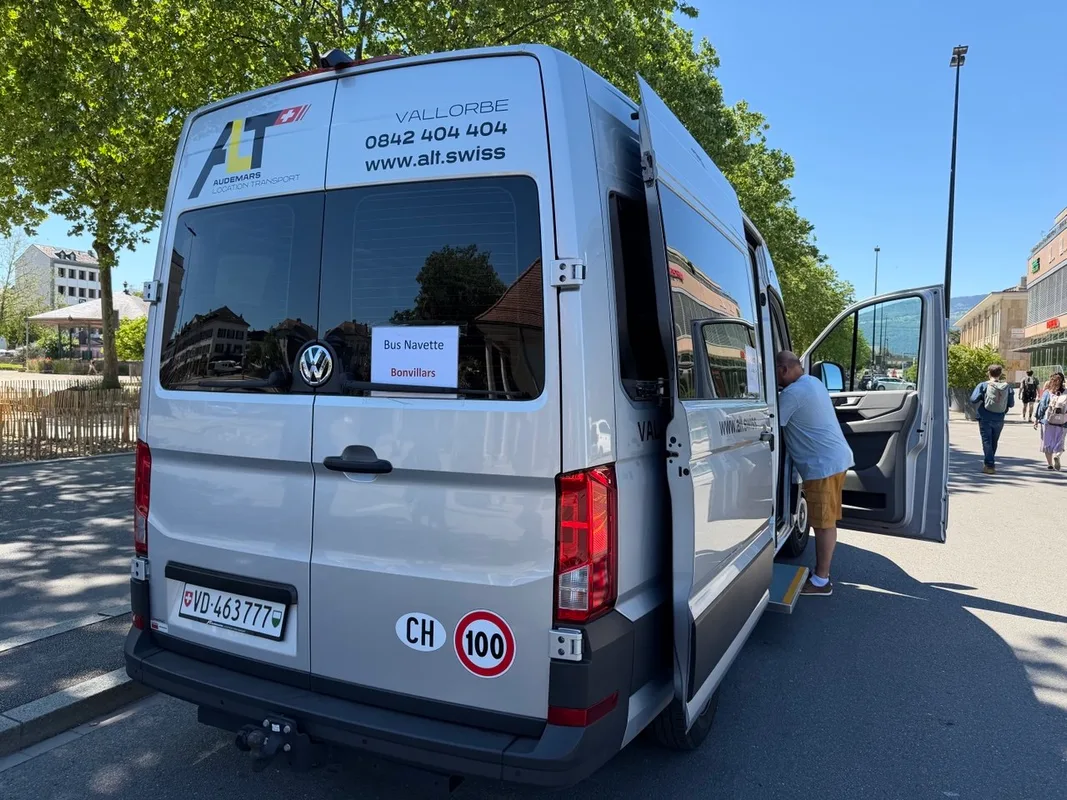
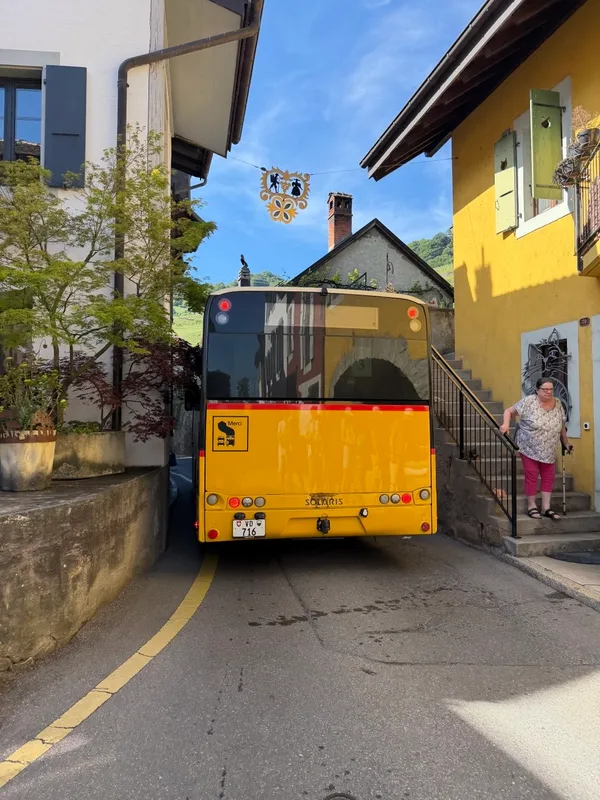
After 4–5 PM, both shuttles and trains become very crowded as everyone heads home at the same time.
Best strategy: Start early, choose cellars near train stations, and plan to finish before the evening rush. Or accept the crowds as part of the experience and leave late.
The Cooler Bag Option
You can pre-order a glacière (cooler bag) in Vaud canton colors for CHF 19 through the official website. Quantity is limited — orders usually close a week before the event.
Pickup: Cully station (Lavaux) or Morges station (La Côte), Saturday only, 10:00–16:00.
Inside (2026 edition): mini breadsticks, local cheese, apple juice, fruit compote, pâté vaudois — all 100% Vaud products. The idea is a picnic between cellars: buy a bottle, sit among the vineyards, and eat local.
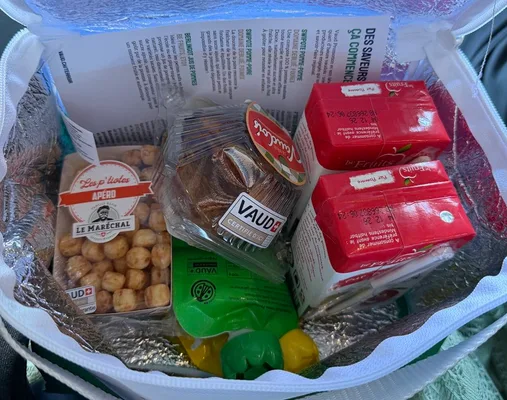

Only worth it if your route passes through Cully or Morges. Picking it up from a different region can easily cost you two hours of your day.
10 Mistakes That Ruin the Experience
1. Trying to visit everything. 250 cellars is not a checklist. 4–6 good visits with real conversations beats 12 rushed ones every time.
2. Driving. No parking, narrow villages, serious police alcohol checks, and you can't taste properly. The entire event is designed around public transport.
3. Treating it like a drinking party. This is not a pub crawl. People who get visibly drunk stand out — and not in a good way. Small sips, discussions about wine, pacing, food, and water between cellars.
4. Skipping water and food. Sun + Lavaux hillside climbs + many small tastings = alcohol accumulates faster than you think.
5. Starting after 2 PM. The best cellars are already crowded, shuttles are full, and the best terrace spots are taken. Arrive by 10–11 AM.
6. Buying bottles too early. First cellar, "wow" effect, instant purchase of a case. Then you carry heavy bottles for the rest of the day, your hands are full, walks are ruined, and you can't buy at the next cellar that you might love more. Note your favorites, come back later.
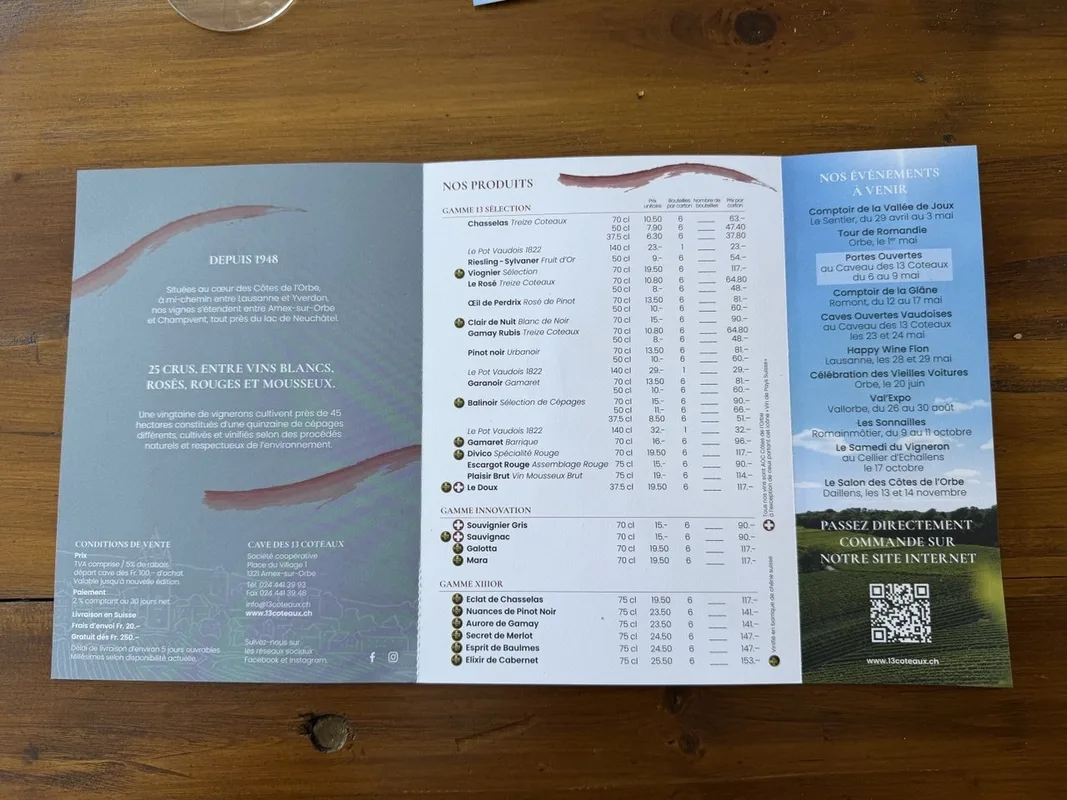
7. Underestimating Lavaux distances. On the map, everything looks close. In reality — stairs, slopes, heat, vineyard paths. A "15-minute walk" can feel like a hike.
8. Speaking only English. English is usually understood, but even basic French — "Bonjour," "Merci," "Santé," "Très bon" — completely changes the atmosphere and how you're received.
9. Expecting bar service. This isn't a bar — it's someone's home and livelihood. The approach that works everywhere: "Bonjour," "Qu'est-ce que vous recommandez?," "Merci" and genuine interest in the wine or region.
10. Over-planning. The best moments at Caves Ouvertes are unplanned. A random cellar. An unexpected conversation. A view around the next corner. A table with strangers who become friends. Leave room for spontaneity.
The Honest Truth About Being Refused a Tasting
This is something no official guide mentions, but it happens — and it's worth knowing about so it doesn't ruin your day.
When it works perfectly
The vast majority of winemakers are genuinely happy to see you. Small family domaines, older winemakers, and cellars further from the main tourist routes are often the warmest. They'll pour extra wines, show you the cellar, open a special bottle, and talk for half an hour. Even with minimal French, the welcome is real.
When it gets awkward
At some cellars — particularly popular ones in Lavaux, crowded spots, or large estates with a constant stream of visitors — the interaction can feel more transactional. Less conversation, faster pours, shorter patience. It's not rudeness — it's volume.
When you get refused
It's rare, but it happens. Some winemakers won't pour their most expensive or sweet wines for every visitor, even though those wines appear on the tasting card. You might see them pouring vendanges tardives or a premium cuvée for another group — one that made a purchase, or that they know personally — while telling you it's "not available." This can feel unfair, and for some visitors, it genuinely spoils the experience.
You may also be gently cut off if you're visibly intoxicated, if your group is loud or behaving like a pub crawl, if you arrive close to closing time, or if you're rushing through tastings without any engagement.
It's always handled the Swiss way: politely, calmly, without confrontation.
How to understand it
This is not a bar. It's not an all-you-can-drink festival. For local winemakers, this event is about terroir, patrimoine, village culture, and hospitality. The relationship is closer to "we're welcoming you into our home" than "we're serving a customer." Once you understand that framing, the occasional refusal makes more sense — even if it still stings.
Lavaux and UNESCO
The Lavaux vineyard terraces were inscribed as a UNESCO World Heritage Site in 2007 — not just because they're beautiful, but because they represent over 800 years of humans shaping a landscape for winemaking.
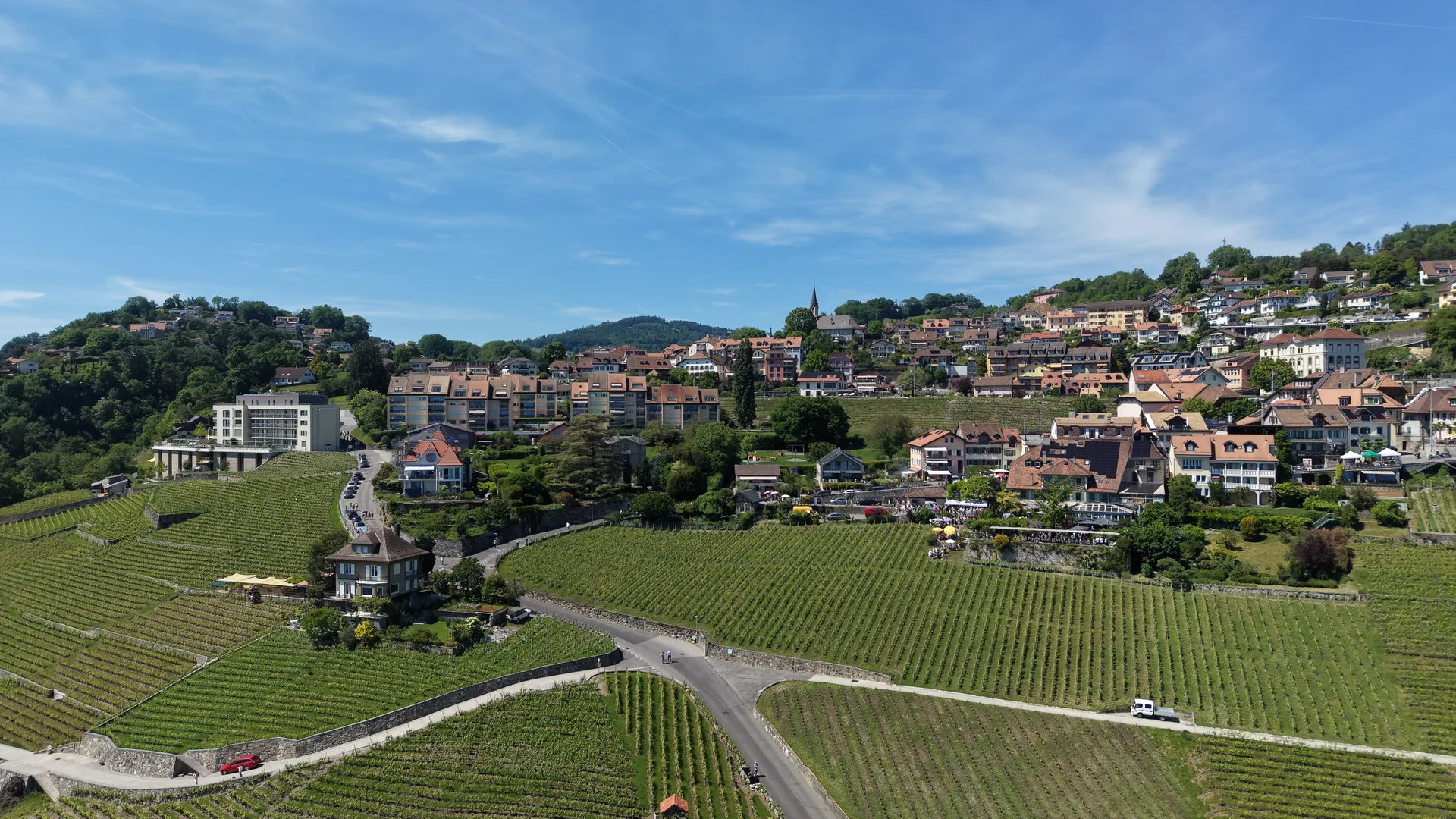
Around 10,000 terraces held by stone walls, covering 800 hectares along Lake Geneva between Lausanne and Vevey. Vines have been grown here since Roman times. The current terrace structure began forming in the 11th–12th centuries under monastic management.
Locals speak of the trois soleils — three suns — of Lavaux: the sun from the sky, the reflection of sunlight off the lake, and the heat stored in the stone walls. This unique microclimate is what makes Lavaux Chasselas distinctive.
Walking between Cully, Epesses, Dézaley, and Saint-Saphorin during Caves Ouvertes means walking through a living UNESCO site that still produces wine, is still inhabited, and has not been turned into a museum.
Practical Information
Detail | Info |
|---|---|
Event | Caves Ouvertes Vaudoises |
When | One weekend in late May (usually Pentecost weekend) |
Hours | 10:00 AM – 6:00 PM, both days |
Pass | CHF 40 (online) — includes glass, wristband, CHF 20 voucher, public transport |
Cellars | 250+ across 6 wine regions |
Grape varieties | 79 varieties, 8 AOCs |
Shuttles | Free for all participants, every 20–45 min |
Cooler bag | CHF 19 (pre-order online, limited quantity) |
Official site | |
Organizer | Office des Vins Vaudois (ovv.ch) |
For your first time, choose Lavaux and visit no more than 4–5 cellars. The landscape is stunning but the terrain and crowds tire you out faster than you'd expect. Start at Cully or Lutry by 10 AM, walk between villages, have lunch on a terrace overlooking the lake, and finish your last cellar by 4 PM.
Stay in the village for the golden hour. After 5 PM, the crowds thin, the light turns warm, and the long apéros begin. That last hour — a glass of Chasselas, a view of the lake, the Alps turning pink — is the moment that brings people back year after year.
And remember: the point isn't how many cellars you visit. It's the conversation you didn't expect, the wine you'd never heard of, and the feeling — rare for tourists in Switzerland — that you've been let into something local, something real.
"On va faire les caves."
Glossary
Term | Meaning |
|---|---|
Domaine | A wine estate — the whole operation: vineyards, production, cellars, brand, and the family behind it |
Cave | A cellar or tasting room |
Vigneron | Winemaker — the person who grows the grapes and makes the wine |
Propriétaire | Owner of the wine estate |
Terroir | The "character of a place" in wine: soil, climate, sun, slope, altitude, wind, proximity to the lake, and the winemaker's traditions. Why Chasselas from Lavaux tastes different from Chasselas from La Côte |
Patrimoine | Heritage — the cultural, historical, and local legacy of a place |
Millésime | The vintage year — the year the grapes were harvested. Each year is different because of weather, making the same estate's wine taste different across vintages |
Carnotzet | A small cellar room for wine and socializing — wooden tables, cheese, sausage, wine, and long conversations. A key tradition of Vaud |
Chasselas | The signature white grape of Vaud — light, mineral, subtle. Treated locally with the seriousness Burgundy reserves for Pinot Noir |
Apéro | Pre-dinner drinks and snacks — a central social ritual in Romandie |
Saucisson vaudois | Traditional Vaud sausage, often served with cheese and wine |

It’s probably not worth visiting Caves Ouvertes solely for photography, but great photos can certainly be a wonderful bonus. If your goal is to capture beautiful images of Switzerland, the event offers a variety of subjects, including stunning landscapes, documentary-style scenes, and lifestyle photography.
The best time for photography is usually in the morning, between 9:00 and 11:00, when the light is soft, the crowds are still small, and the vineyards look particularly beautiful. Another excellent time is from 17:00 to 20:00, during the golden hour, when the sun sets over Lake Geneva and the relaxed apéro atmosphere comes to life.
The least favorable hours for photography are typically between 12:00 and 15:00, when the light is harsher and the locations tend to be more crowded.
Events
Region: Vaud
- Morges Tulip Festival — Switzerland's Free Answer to KeukenhofApril - May
- The Day Rolle Winds Back a Century: The Barrel Organ Festival on Lake GenevaAugust
Country: Switzerland
- Medieval Spectacle Hinwil — Switzerland's Biggest Knight TournamentMay
- Swiss National Day — The Complete Guide to August 1st (2026 Edition)August 1
- Tractors, Confetti and New Wine: Harvest Festivals in SwitzerlandSeptember - October
- When the Bells Come Down the Mountain: Switzerland’s Living Alpabzug TraditionSeptember - October
- The light show “Rendez-vous Bundesplatz” in Bern: it’s worth seeingOctober
Also available in
Tags
Jojo is Joyful Journeys!