Sardinia Beaches — The Honest Guide to the Best Sand and Water in Europe
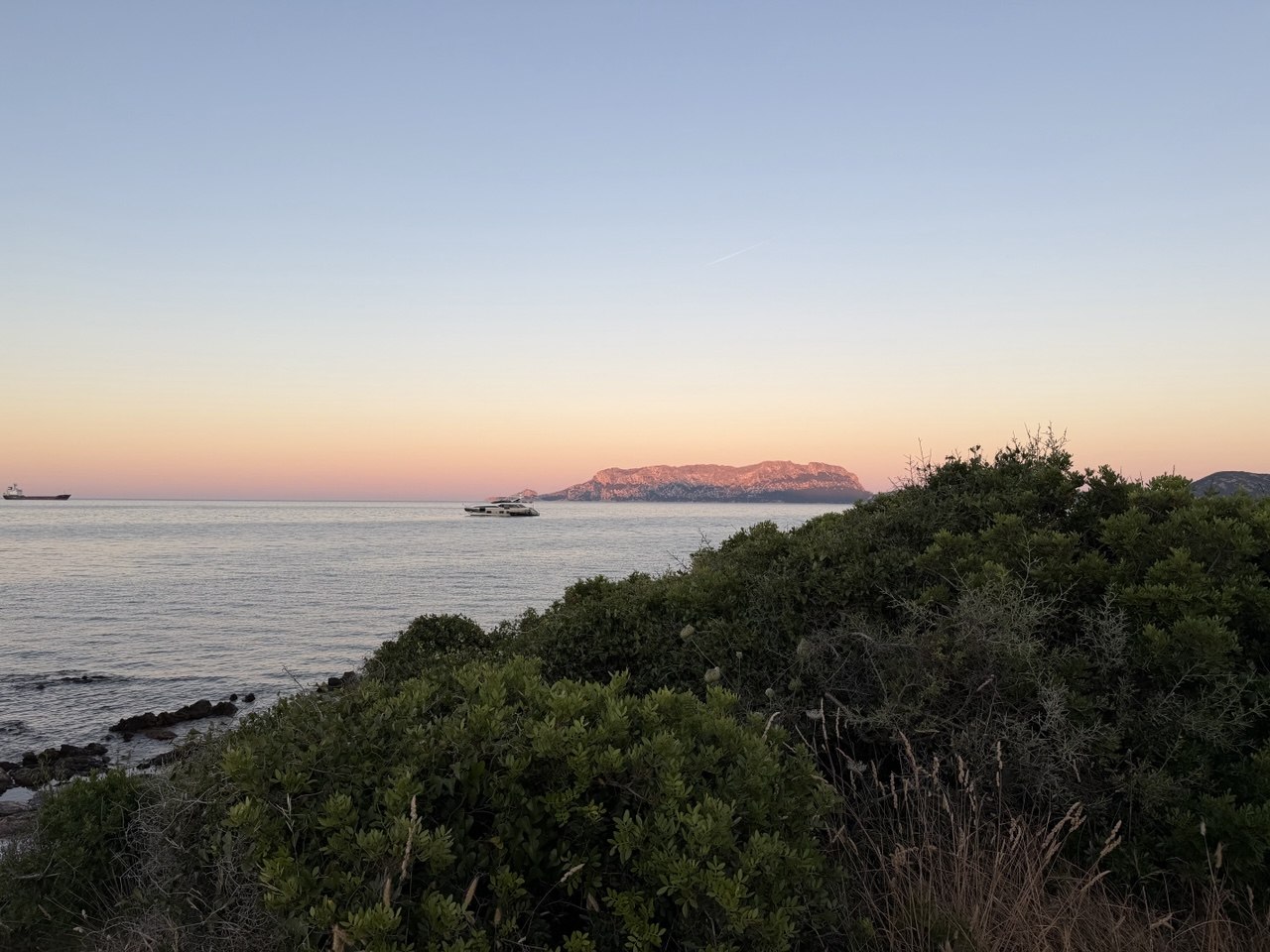
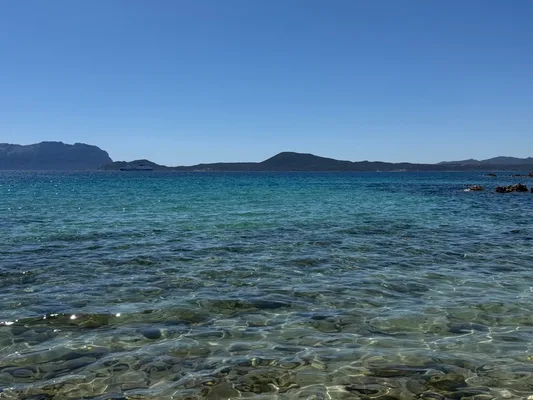
The first step onto a beach in Sardinia can feel like arriving on the wrong island. Caribbean-turquoise water, white sand, and dramatic rocks that look straight out of a nature documentary — all while still being in Europe. Still in Italy. Just on an island that feels impossible to be prepared for.
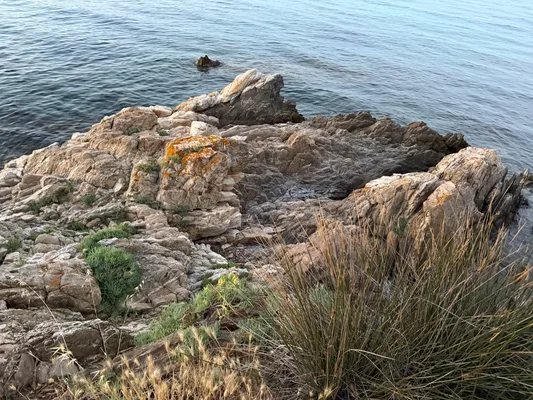
Sardinia has some of the best beaches in Europe. That's not marketing — it's geology. Crystal-clear water, white and golden sand, quartz pebble coves, granite boulders, limestone cliffs, and sheltered lagoons so shallow a toddler can walk for fifty meters without the water reaching their knees.
But here's what the Instagram posts don't show: the most famous beaches are dangerously overcrowded in July and August, parking costs as much as the meal afterward, some beaches now require advance booking to protect fragile ecosystems, and the island's public transport is borderline dysfunctional. You need a plan.
This guide gives you one.
When to Go
The short answer: June or September. The water is warm, the beaches aren't packed, and the prices haven't peaked.
Water Temperature by Month
Month | Water temp | What it feels like |
|---|---|---|
May | ~17–19 °C | Cool — not everyone swims |
June | ~20–22 °C | Swimmable, but fresh in the morning or after wind |
July | ~23–25 °C | Comfortable |
August | ~25–27 °C | Warmest water of the year |
September | ~24–26 °C | Excellent — often feels better than July |
October | ~21–23 °C | Still swimmable, but weather less stable |
The sweet spot: mid-June to early July, or September. Warm enough to swim all day, cool enough to sleep at night, and quiet enough to actually enjoy the beaches.
The Wind Factor
This is the thing most first-timers don't expect: Sardinia is windy. The Mistral (northwest wind) can change everything in an hour — calm turquoise water turns choppy, boat tours get cancelled, and a beach that was perfect in the morning becomes unpleasant by afternoon.
The rule: choose your beach by the wind. When the Mistral blows from the west or northwest, go to the eastern or southeastern coast. When the Scirocco blows from the south, the north coast is calmer. Check the wind forecast every morning before deciding where to go — it matters more than the temperature.
The 10 Best Beaches
1. La Pelosa, Stintino — the most stunning first impression
Ultra-shallow turquoise water, white sand, a medieval tower in the background, and islands on the horizon. It looks like a postcard that's been color-corrected — except it hasn't.
But La Pelosa is also the most regulated beach on the island. Due to its fragile ecosystem and extreme popularity, access is limited: you need to book in advance through the official website (spiaggialapelosa.it), a mat is required under your towel, and taking sand is strictly prohibited.
Best for: photos, families with small children (the water is ankle-deep for 50+ meters) Warning: in July–August, it's packed even with the booking system
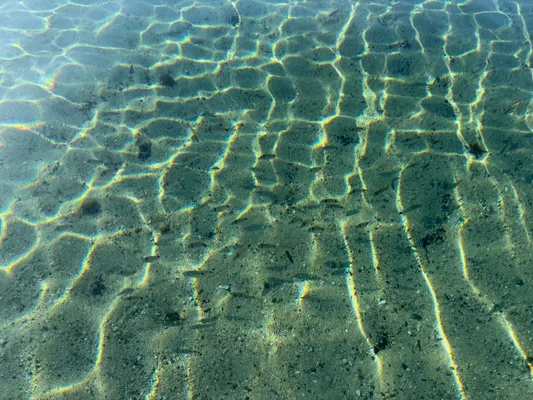
2. Cala Goloritzé, Gulf of Orosei — the most beautiful wild beach
White pebbles, electric-blue water, towering limestone cliffs, and a natural stone arch that looks sculpted by an artist. This is UNESCO-protected and widely considered one of the most beautiful beaches in the Mediterranean.
Getting here requires effort: either a boat from Cala Gonone, Santa Maria Navarrese, or Arbatax, or a hiking trail from the Golgo plateau (about 1–1.5 hours down, longer back up). Booking is required — check the official access rules before going.
Best for: hikers, photographers, anyone willing to earn their beach Not for: people who want to drive up and lie down
3. Cala Mariolu — best water color and snorkeling
One of the symbols of the eastern coast. The water here shifts between turquoise, emerald, and deep blue depending on the light. Excellent for snorkeling — the underwater visibility is extraordinary.
Usually reached by boat from Cala Gonone, Santa Maria Navarrese, Arbatax, La Caletta, or Orosei. Seasonal boat services run roughly May through September.
Best for: snorkeling, swimming, photography Tip: go early in the morning on the first boat — by noon it gets crowded
4. Cala Brandinchi, San Teodoro — "Little Tahiti" for families
Shallow water, light sand, calm surface. One of the best family beaches on the island. The water stays shallow for a long way out, making it safe for children.
Convenient if you're staying around San Teodoro or Olbia. Very popular in high season — arrive early.
Best for: families with kids, easy beach days
5. Spiaggia del Principe, Costa Smeralda — the classic northeast beauty
Small coves framed by granite rocks, clear water, and the glamorous Costa Smeralda nearby. The beach itself is natural and beautiful; the surrounding area is one of the most expensive in Italy, built around Porto Cervo's luxury tourism.
Best for: a beautiful beach day combined with Costa Smeralda atmosphere
6. Capriccioli & Liscia Ruja — easy Costa Smeralda beaches
Good option if you want beautiful water without hiking or boats. Accessible by car, suitable for a relaxed day. Good base if you're staying near Olbia, Porto Cervo, or Arzachena.
Best for: convenient beauty, no logistics required
7. Tuerredda, south — one of the best swimming beaches
A sheltered bay with water that's often dead calm and bright turquoise. Excellent for swimming — the protection from wind makes it reliable even when other beaches are choppy.
Very popular in summer — arrive early or come in June/September.
Best for: swimming, calm water, sheltered conditions
8. Chia / Su Giudeu, south — wide sand and dunes
If you don't want tight little coves, Chia delivers wide open beaches with dunes, space to spread out, and beautiful sunsets. Several beaches sit next to each other, so you can choose by wind direction.
Best for: people who want space, sunset lovers, windy-day backup options
9. Villasimius / Porto Giunco, southeast — best balance of beach + infrastructure
Beautiful water, proper restaurants, hotels, car and boat rentals. If you're flying into Cagliari and want a beach base with everything nearby, this is your spot.
Best for: first-timers, couples, people who want comfort without sacrificing water quality
10. La Maddalena / Cala Coticcio — best boat day
An archipelago of granite islands with some of the clearest water in the entire Mediterranean. Best experienced by boat tour or rental (if you have experience). Cala Coticcio is sometimes called "Sardinia's Tahiti."
Best for: boat day, island hopping, serious water clarity
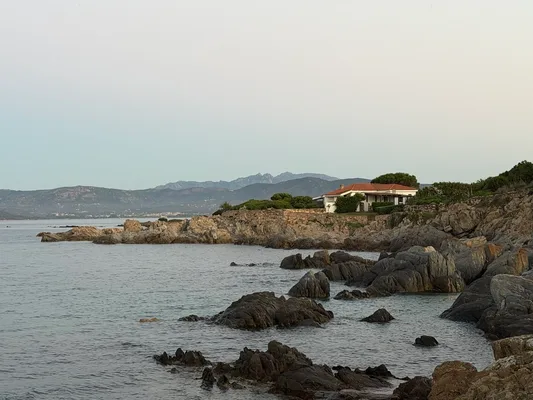
Where to Go on Your First Trip
For the most beautiful wild coves: east coast — Baunei, Cala Gonone, Santa Maria Navarrese (Cala Goloritzé, Cala Mariolu, Cala Luna)
For comfort + great beaches without complex logistics: northeast — Olbia, San Teodoro, Costa Smeralda, Palau
For family-friendly bases: Villasimius or San Teodoro
For beautiful, less glamorous Sardinia: south — Chia, Tuerredda, Porto Giunco, Costa Rei
For a 7–10 day trip with a rental car: pick two bases. For example, Olbia/San Teodoro + Baunei/Cala Gonone, or Cagliari/Villasimius + Chia. That way you see both the postcard Sardinia and the wild Sardinia — not just one resort.
Getting Around — The Honest Truth
Rent a car
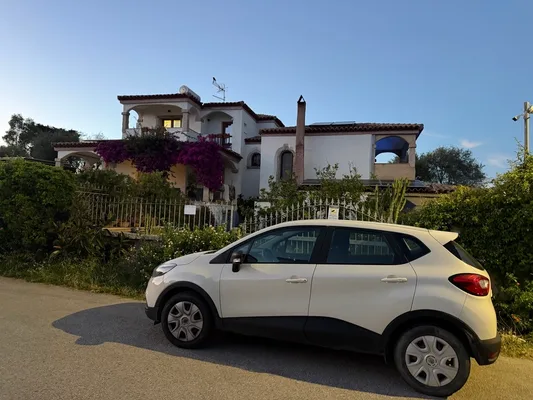
If you plan to visit more than one beach — and you should — rent a car. This is non-negotiable. Sardinia's public transport is not designed for beach-hopping.
Book in advance. Prices start from about €20/day in low season, more in July–August. Park only in paid/marked areas — fines for illegal parking are issued quickly and without warning.
Public transport
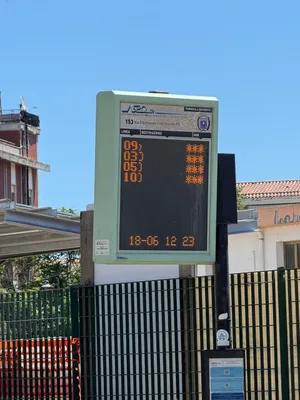
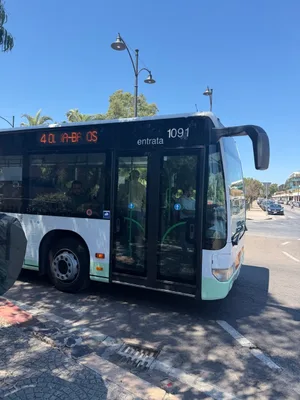
Buses exist but are unreliable. They run infrequently, connections between routes are poorly timed, and late buses sometimes don't show up at all. If you must use a bus, take the second-to-last one, not the last. Tickets can be bought from the driver or through an app — but drivers often accept only cash. Stops are not announced. The cost is low (~€1.50) but the experience is frustrating.
Taxis
Expensive and difficult to find. A €1.50 bus ride can cost €50 by taxi. Day or night — the price is the same. Not practical for beach access.
Bottom line
Rent a car. Everything else is a compromise that will cost you time, stress, and flexibility.
Rules You Must Know
Sardinia takes beach protection seriously. Fines are real, and enforcement is active — especially at popular beaches.
Don't take sand, stones, shells, or coral
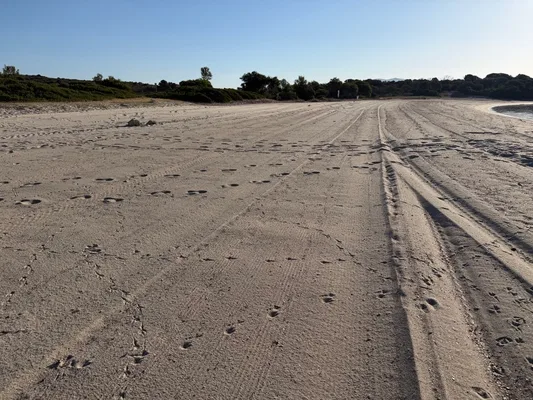
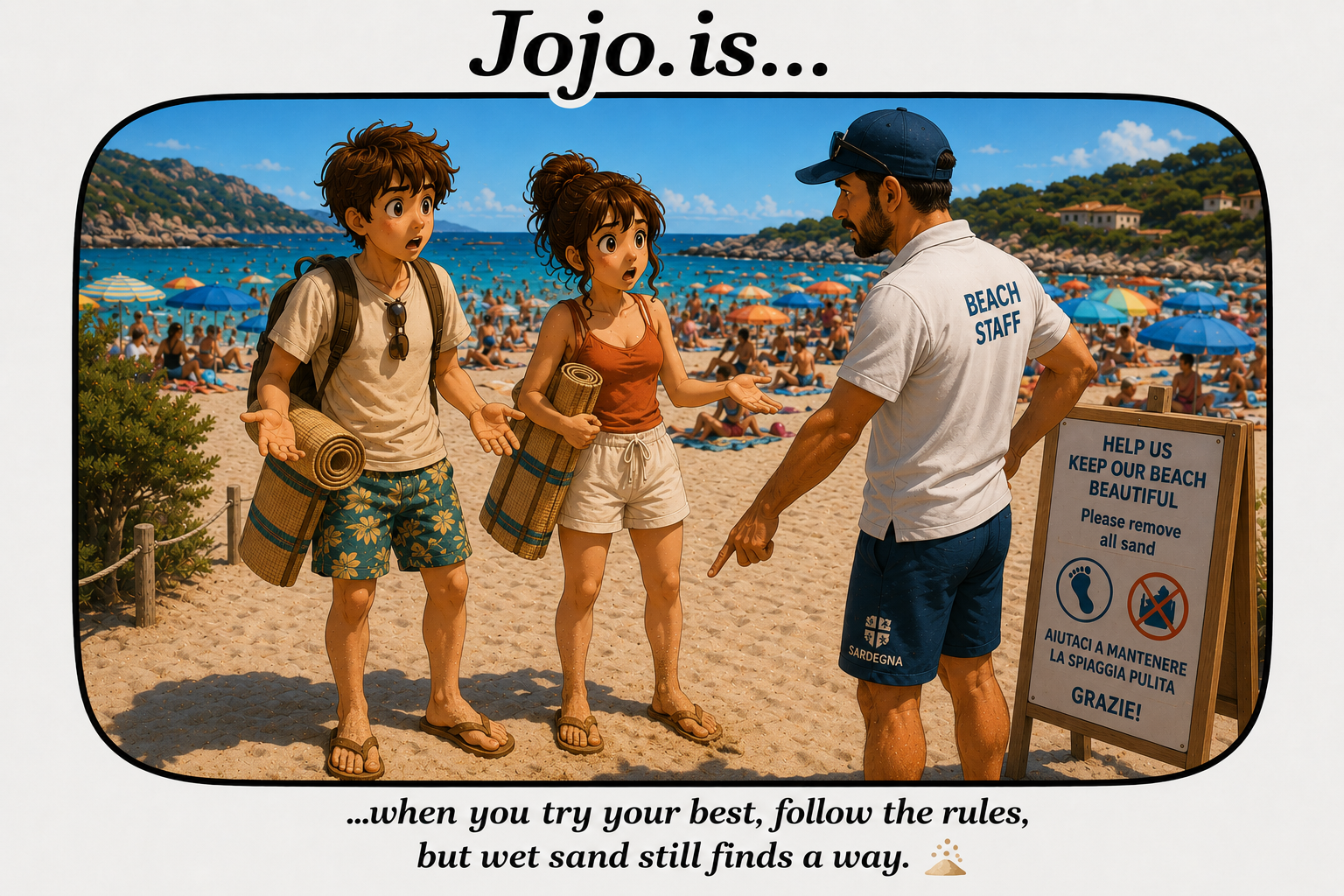
This is the most important rule. Sardinia's beaches are literally disappearing because millions of visitors take "just a little" sand home every year. Fines can reach hundreds of euros. Customs at airports and ports actively checks for sand in luggage. It's not a suggestion — it's a law.
Mat under your towel
On some protected beaches (especially La Pelosa), you cannot place a towel directly on the sand. You must put a mat (stuoia) underneath — bamboo, straw, plastic, or microfiber. The reason: wet towels pick up sand, and thousands of people per season literally carry the beach away. Before leaving, shake the sand off on the beach, not into your bag.
Buy a thin beach mat before you go, or pick one up locally. Not a fluffy blanket — a thin, light mat that sand slides off easily.
Booking and access limits
The most famous beaches now have daily visitor limits, advance booking, or paid access during high season. This applies to La Pelosa, Cala Goloritzé, Cala Brandinchi, and some beaches around Villasimius and La Maddalena. Check official websites before visiting.
Other rules
No pets on most beaches. No smoking on many beaches. Waste bins require sorted recycling — fines for incorrect disposal. No fires or picnics in nature reserves adjacent to some beaches.
What to Pack
Essential: water shoes (for pebbles and rocks), snorkeling mask, sunscreen SPF 50, hat, lots of water, light cover-up shirt, power bank, cash for parking and small beach bars, thin beach mat
For wild coves: proper shoes — sneakers or trekking sandals, not flip-flops. Some beaches involve steep rocky descents. The trail to Cala Goloritzé is a proper hike.
For boat tours: dry bag for phone and valuables, towel that dries quickly, waterproof sunscreen
Beach Services and Costs
On popular beaches, you can rent sunbeds (lettini) and umbrellas (ombrelloni). Expect to pay roughly €15–25 for a sunbed + umbrella set per day at organized beaches, more at premium spots on Costa Smeralda. Many beaches have a free section (spiaggia libera) where you bring your own setup — arrive early to get a good spot in summer.
Beach bars (chioschi) are common on larger beaches. Prices are reasonable for Italy — a coffee, a panino, a cold drink. Most accept cards, but carry cash as backup.
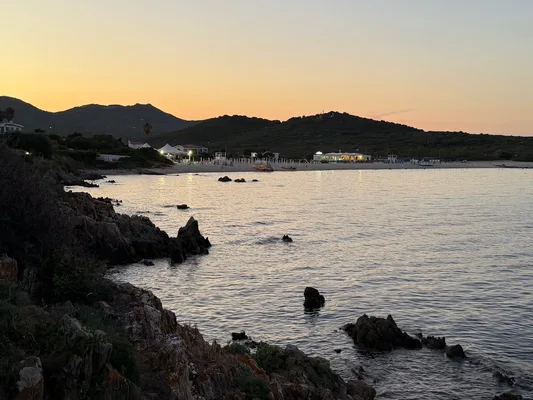

For your first trip, choose June or September. Rent a car. And don't plan the "most famous beach" every single day.
The best days in Sardinia are the unplanned ones: you check the wind in the morning, pick a beach on the sheltered side of the island, arrive early with everything you need, and spend the whole day moving between the water and the shade of your spot.
The sun, the salt air, and the heat will tire you out faster than you expect. One beach per day is enough. Bring more water than you think you need. And don't rush — Sardinia rewards the people who slow down.
One more thing: if you have a few days and a car, drive the coastal road between Bosa and Alghero on the northwest coast. It's not a beach — it's one of the most beautiful drives in Europe. Cliffs, curves, sea views, and almost no traffic. You'll thank me later.
Tags

Jojo is Joyful Journeys!