A Winter Fairytale on Skis: How to Prepare for the Perfect Vacation and Where to Spend It
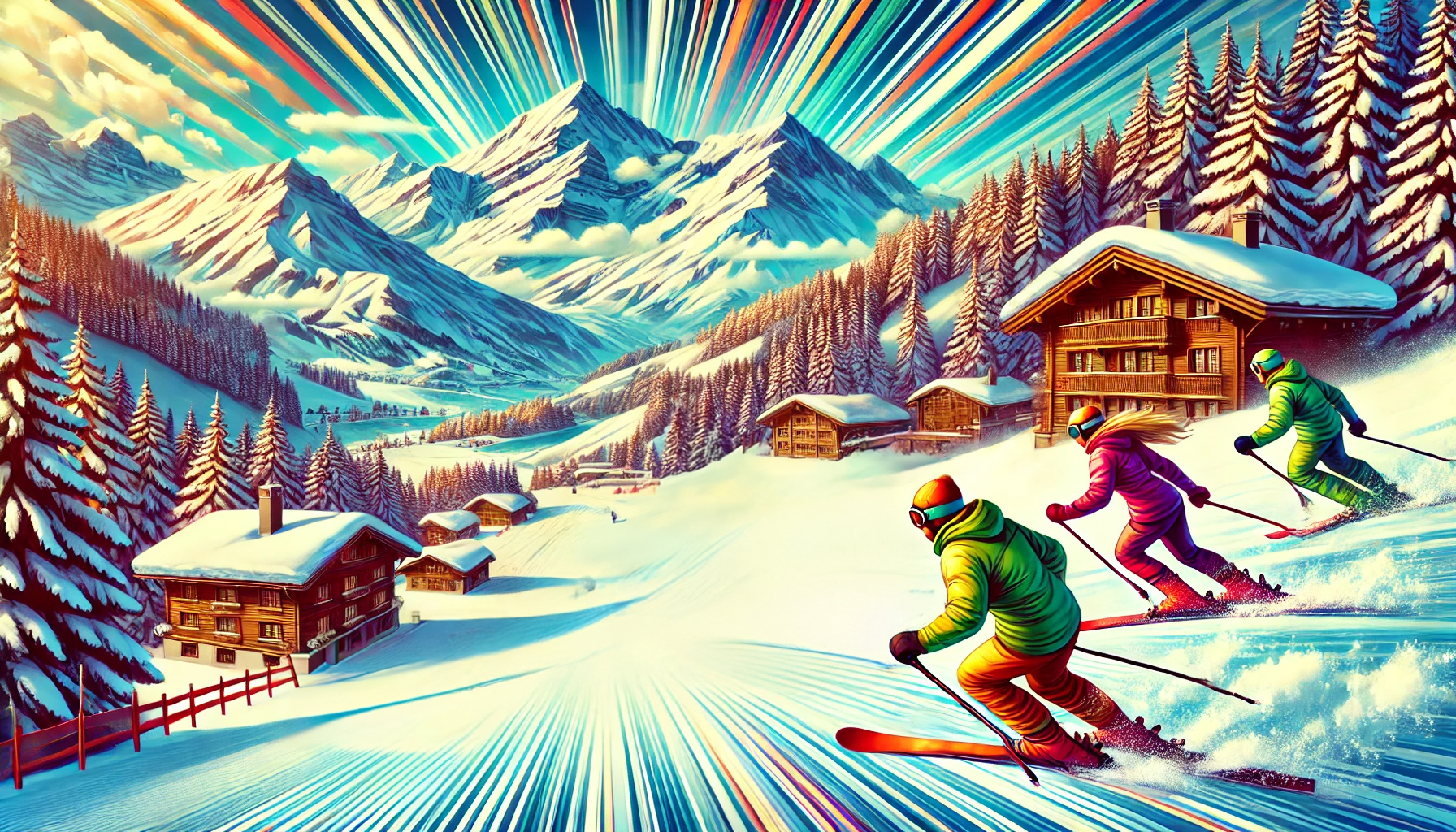
Winter, Christmas holidays, and New Year vacations. One of the most popular, favorite, and best ways to spend your days off is enjoying an active отдых in the snow-covered mountains and skiing.
Skiing is an activity where a person moves over snow-covered surfaces using special equipment—skis. This type of sport or leisure can be both recreational and professional.
There are two main types of skis: alpine (for downhill skiing) and cross-country (for skiing on flat or hilly terrain).
Why is skiing so appealing?
Skiing allows you to enjoy beautiful winter landscapes, fresh air, and the tranquility of nature. Gliding on snow gives a sense of freedom, lightness, and joy. Skiing is also environmentally friendly and does not pollute the environment.
Skiing as a sport or leisure activity suits people of all ages and skill levels, from beginners to professionals. You can choose cross-country skiing for a leisurely ride or alpine skiing for a thrilling descent.
Skiing often becomes a family or friendly activity, bringing people together. Around the world, ski infrastructure is developing rapidly, with many well-equipped resorts and trails in most snowy regions.
For many, it is also an excellent way to maintain physical fitness, improve endurance, and strengthen muscles. Skiing enhances cardiovascular health, strengthens muscles (especially in the legs, back, and core), and improves coordination and balance. Skiing helps combat stress and boosts mood thanks to the release of endorphins.
Skiing Equipment
To enjoy skiing comfortably and safely, it is important to select the right equipment. The choice depends on the type of skiing (alpine or cross-country) and your skill level.
Basic Equipment
Skis. The length of the skis is chosen based on your height, weight, and skill level. For beginners, shorter and wider skis are easier to handle. Cross-country skis are lightweight and long; their length depends on your skiing style (classic or skating) and height.
Bindings. Bindings secure the boot to the ski. They are adjusted based on your weight and skiing level.
Ski boots. Boots should be stiff and warm, fitting snugly without causing discomfort. Cross-country boots are softer and more flexible than alpine ones.
Poles. Poles are selected according to height: pole length = height × 0.7 (approximately shoulder level). For cross-country skiing, poles for classic style are shorter, while skating style poles are longer (up to chin level).
Additional Equipment
Helmet. A helmet is mandatory for alpine skiing, especially for beginners. It protects the head in case of falls.
Goggles or mask. Protects against sunlight, wind, and snow.
Ski clothing. A jacket and pants made from waterproof materials with good ventilation. Thermal wear (thermal underwear and a fleece jacket). Warm and waterproof gloves or mittens. A hat or balaclava (to wear under the helmet).
Sunscreen. Protects the skin from sunlight, which is strongly reflected by the snow. You can get sunburned just as easily as on a sunny beach.
Backpack (optional). For carrying water, snacks, and small items.
Should You Buy or Rent Ski Equipment?
Whether to buy or rent ski equipment depends on many factors, including your financial situation, skiing frequency, and storage capabilities.
Buying your own equipment is always more convenient and safer, as it is tailored to your needs. You can choose gear according to your preferences. Buying equipment pays off if you ski regularly (3–5 times per season).
However, high-quality ski equipment comes with a high initial cost. It requires significant, well-organized storage space. Additionally, ski equipment needs regular maintenance (e.g., edge sharpening or waxing).
Renting ski equipment is often simpler. It is cost-effective if you ski rarely or are trying it for the first time. There is no need for storage or maintenance. Renting also allows you to test different types of skis.
However, rental equipment may not always be a perfect fit (size, condition). It is not always new or comfortable. Additionally, it often needs to be booked in advance, and over time, the cost of renting may exceed the cost of buying.
If you are a beginner, renting equipment is a good idea to see if you like skiing. It will also help you understand your preferences if you decide to buy your own equipment. If you ski often, purchasing your own gear will be more economical and convenient.
For alpine skiing, the quality of bindings and boots is crucial, so if you decide to buy ski equipment partially, start with these items.
Useful Tips
To make skiing as enjoyable as possible and avoid unpleasant surprises, it is best to prepare in advance.
Skiing is weather-dependent. The ski season only lasts through winter, and the quality of skiing greatly depends on the snow. It is better to check the weather forecast, book accommodation, and lift tickets in advance to avoid overpaying and ensure a comfortable experience.
Equipment and clothing should be purchased, prepared, or reserved in advance. Costs for gear, clothing, and ski resort trips can be high, so it’s worth starting preparations early to save money or plan your budget.
Skiing requires a certain level of physical fitness, which can be challenging for people with health limitations. It is important to choose the right type of skiing, trails, and assess your physical readiness. Before a long skiing trip, consider resuming physical activity and strengthening your immune system.
Mastering skiing techniques may take time and patience. Poor technique or falls can lead to bruises, sprains, and other injuries. If you are skiing for the first time or haven’t skied in a while, it is better to hire an instructor who can teach or refresh your skills.
Ski Instructor
Hiring an instructor depends on your experience, skill level, and skiing goals.
If you are a beginner or want to improve quickly, an instructor is a great investment in your comfort and safety. If you are skiing for the first time, an instructor will help you master the basics, including skiing techniques, braking, and turns. This will reduce learning time and the risk of injuries.
If you are unsure of your skills or have questions, an instructor can help build your confidence.
Instructors are also useful for experienced skiers. A professional can show you how to ski more efficiently and skillfully, such as mastering carving or skating techniques.
Children find it much easier to learn with an instructor, as they know how to explain things in an engaging and safe way.
Hiring an instructor can be costly, especially at popular resorts. Group lessons may not always be effective due to varying levels of fitness, skiing skills, and learning speeds among participants.
For beginners, it is advisable to take at least 1–2 lessons with an instructor. This will provide the basic skills and confidence needed for independent skiing.
Types of Ski Slopes by Difficulty
For skiers (especially at ski resorts), there are different types of slopes, and it is quite easy to navigate them — by colors and markings.
Ski slopes are divided by difficulty levels for the convenience of skiers, so that both beginners and experienced skiers can enjoy them.
Types of slopes:
Green slopes – these are the easiest slopes; they are very gentle and wide. They are ideal for beginners and learning. This is where every skier’s journey begins.
Blue slopes – these are usually easy to intermediate slopes with a slight incline. They are suitable for confident beginners.
Red slopes – these are intermediate or advanced slopes with steeper and narrower descents. Such slopes require good speed control.
Black slopes – these are the most difficult slopes. They have steep descents and may include bumps (moguls) or ice. These slopes are suitable only for experienced skiers.
Freeride / off-piste — these are unmarked areas and can be dangerous for unprepared skiers.
Yellow slopes (in some countries) — these are ungroomed, challenging slopes for enthusiasts.
To help skiers navigate easily, ski resorts usually provide a slope map. It is available at the entrance and can also be found online. It shows slope colors, lifts, and restaurants. Signs are also placed on all slopes. They indicate the slope color and number, as well as the direction of movement with arrows. Skiers can reach the start of most slopes using lifts (gondolas, chairlifts, or drag lifts). The map shows where they lead.
It is always best to start with an easier slope, even if it seems you can handle a more difficult one. In the mountains, conditions (snow, ice, visibility) can change quickly, and safety is always important.
Best Places to Ski
Choosing the right place to ski is very important.
If you are a beginner, choose resorts with gentle and easy trails, such as Kitzbühel in Austria. For professionals, the Alps are a great choice. For cross-country skiing, Scandinavia is ideal. For family vacations, the French Alps or Georgia are excellent options.
Europe
Alpine Skiing:
France, Alps (Chamonix, Courchevel, Three Valleys). The world capital of alpine skiing, known for its excellent infrastructure, diverse trails, and luxurious resorts.
Switzerland (Zermatt, Davos, St. Moritz). High-quality service, stunning Alpine views, and renowned trails.
Austria (Kitzbühel, Ischgl, Sölden). Known not only for their ski trails but also for their friendly atmosphere and vibrant nightlife.
Italy (Dolomites, Cortina d'Ampezzo). Perfect for family vacations: mild climate, scenic views, and trails of varying difficulty.
Cross-Country Skiing:
Scandinavia (Norway, Sweden, Finland). Ideal conditions for cross-country skiing thanks to flat landscapes and snow. Popular destinations include Lillehammer in Norway or Lahti in Finland.
Czech Republic (Krkonoše). Cozy trails suitable for beginners, affordable prices, and picturesque nature.
Asia
Georgia, Gudauri. A developing resort with affordable prices and trails for all levels.
Turkey, Erciyes. A good option for those looking for a budget-friendly and comfortable vacation.
Japan, Hokkaido (Niseko). Known for its "powder" snow and exotic atmosphere.
North America
USA (Aspen, Vail, Lake Tahoe). Luxurious resorts with world-class trails suitable for both beginners and professionals.
Canada (Whistler, Banff). Stunning landscapes, a long season, and trails for every taste.

Skiing is not just a recreational activity but also a healthy way to enjoy nature, strengthen your body, and boost your mood. However, it is essential to consider potential difficulties such as costs and injury risks. For comfortable and safe skiing, it is crucial to choose the right equipment, trails, and assess your skill level.
In any case, skiing is something you should try at least once in your life to enjoy the thrill of descending a snowy mountain slope!
Also available in
Tags
Jojo is Joyful Journeys!