Swiss National Day — The Complete Guide to August 1st (2026 Edition)
Event schedule:
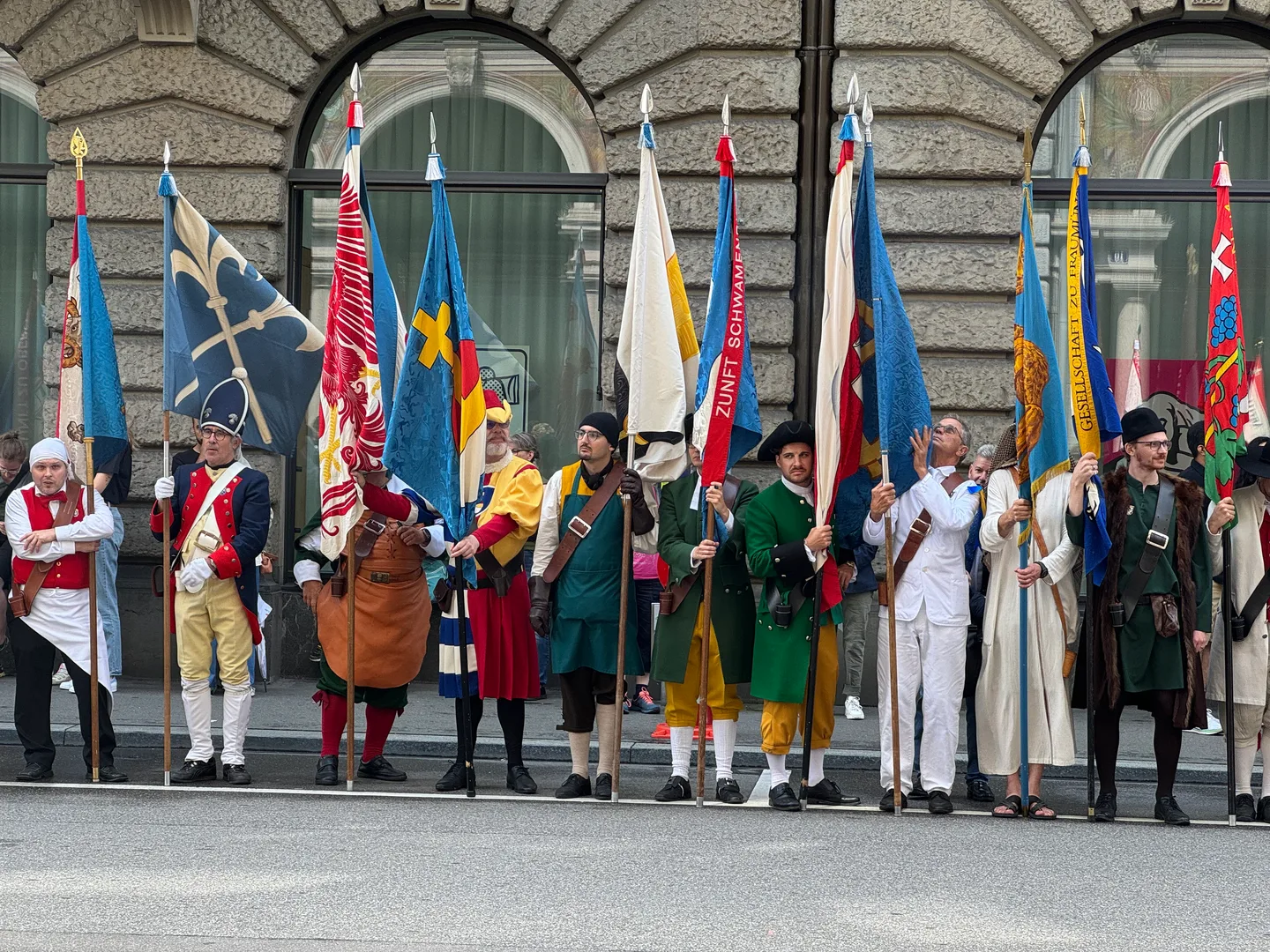
For many Swiss people, August 1st isn't really about the "birthday of the nation." It's about belonging — to your village, your canton, and somehow, at the same time, to the whole country.
Switzerland unites 26 cantons, thousands of communes, four national languages, and regional cultures that differ more than most outsiders realize. The National Day is the moment when all of that diversity pauses and acknowledges: we are, despite everything, one country. Not through uniformity — through choice.
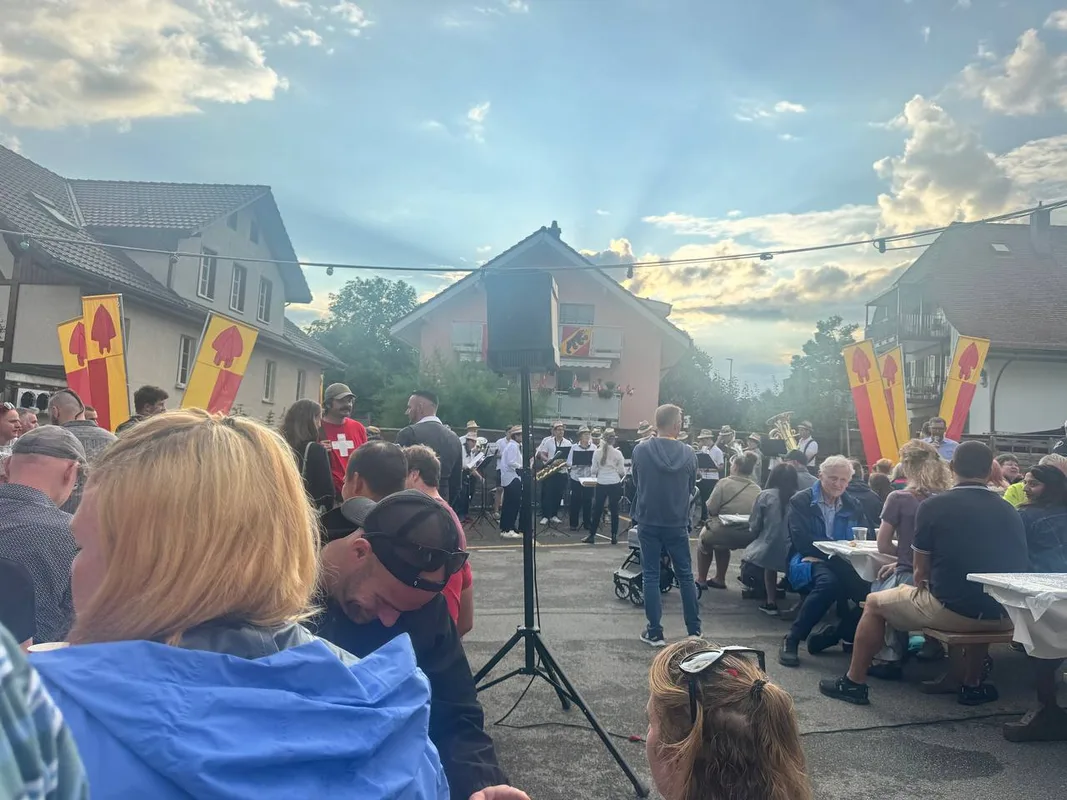
The celebration isn't organized by the state from above. It's organized by the local commune, the fire brigade, the village band, the neighborhood association. People gather at shared tables, listen to the mayor's speech, eat together, and children walk through the streets with paper lanterns. The emotional center is "we live here together" — not a display of national power.
And that's what makes it unlike national days in most other countries.
In one village, there's a bonfire. In another, a flaming cross on a mountainside. In a city, a concert. On a farm, a communal breakfast. There's no single mandatory script. This local diversity is the point — it reflects a country where power and responsibility are distributed between the Confederation, the cantons, and the communes.
The word that captures it best is Verbundenheit — connectedness, a sense of belonging together. You'll hear it in official speeches, in mountain toasts, and in the quiet way people nod at each other around the fire.
The History
The Federal Charter of 1291
At the heart of the celebration is the Federal Charter of 1291 — an agreement between the communities of Uri, Schwyz, and Nidwalden (historically part of Unterwalden). They pledged to assist each other against violence, aggression, and injustice, to resolve disputes among themselves, and not to accept foreign or purchased judges.
The document is dated not specifically to August 1st, but to "the beginning of August 1291."
Modern Switzerland was not founded by the signing of this single document. The Charter played little public role for centuries and was rediscovered in the Schwyz archive only in 1758. It received its status as the symbolic "founding document" in the late 19th century, when the young federal state needed a shared historical origin story.
How August 1st became the National Day
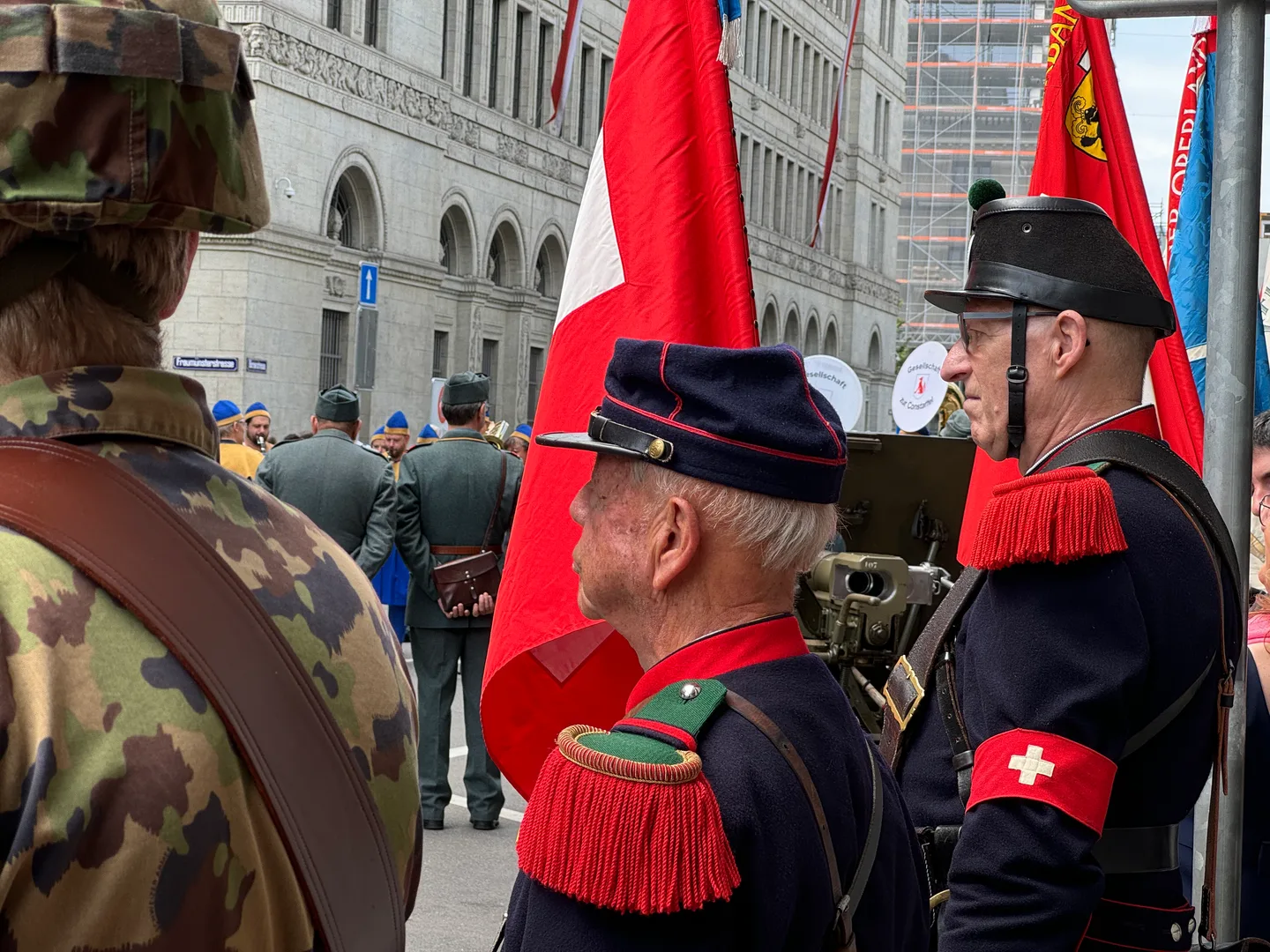
In 1891, Switzerland celebrated the 600th anniversary of the Charter, and the Federal Council established August 1st as the National Day. After a referendum in 1993, it became an official public holiday across the entire country — the only holiday with nationwide status. All other public holidays are determined by the individual cantons.
The Rütli Oath
Closely connected to the celebration is the legend that representatives of the three original cantons met on the Rütli meadow above Lake Lucerne and swore to jointly defend their freedom against Habsburg rule.
There is no documentary evidence that the oath took place in this exact form. It's part of the national myth, alongside the story of William Tell. Nevertheless, Rütli has become an important symbolic site, and one of the main National Day ceremonies is held there every year.
How Switzerland Celebrates
Flags everywhere
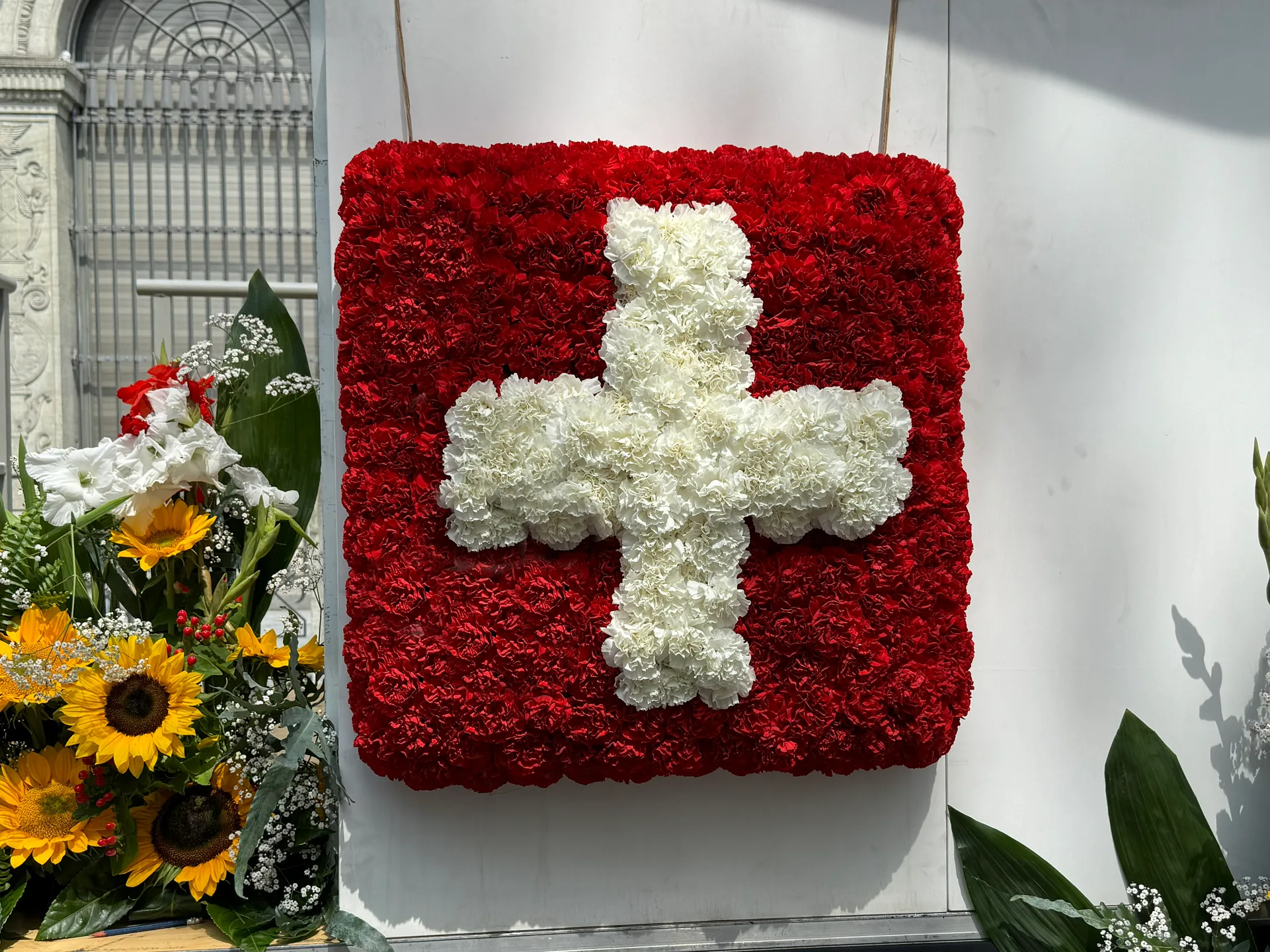
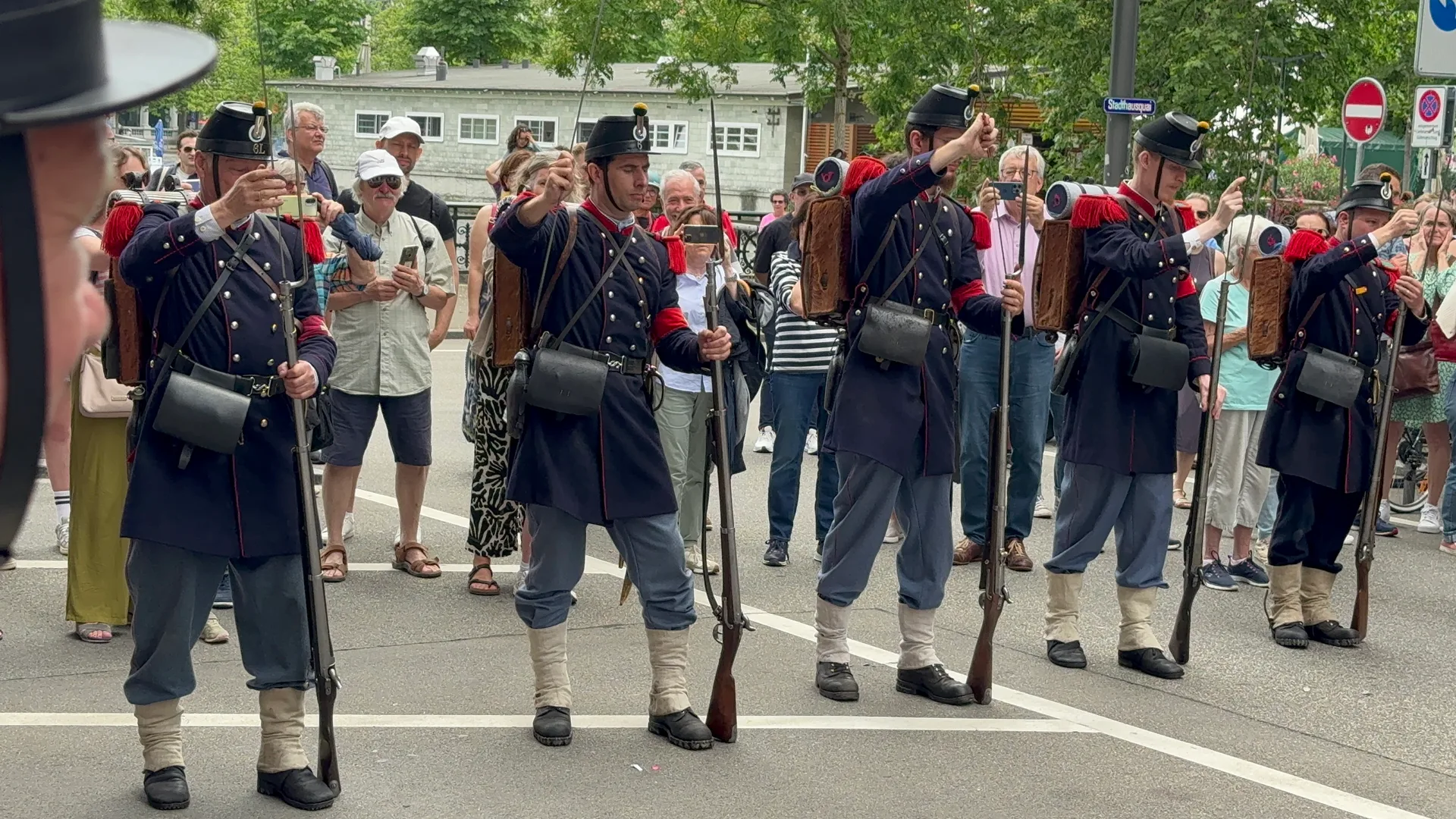
Streets, squares, houses, and balconies are decorated with red-and-white Swiss flags. Alongside the federal flag, people often display their canton and commune flags.
Bonfires (Höhenfeuer)
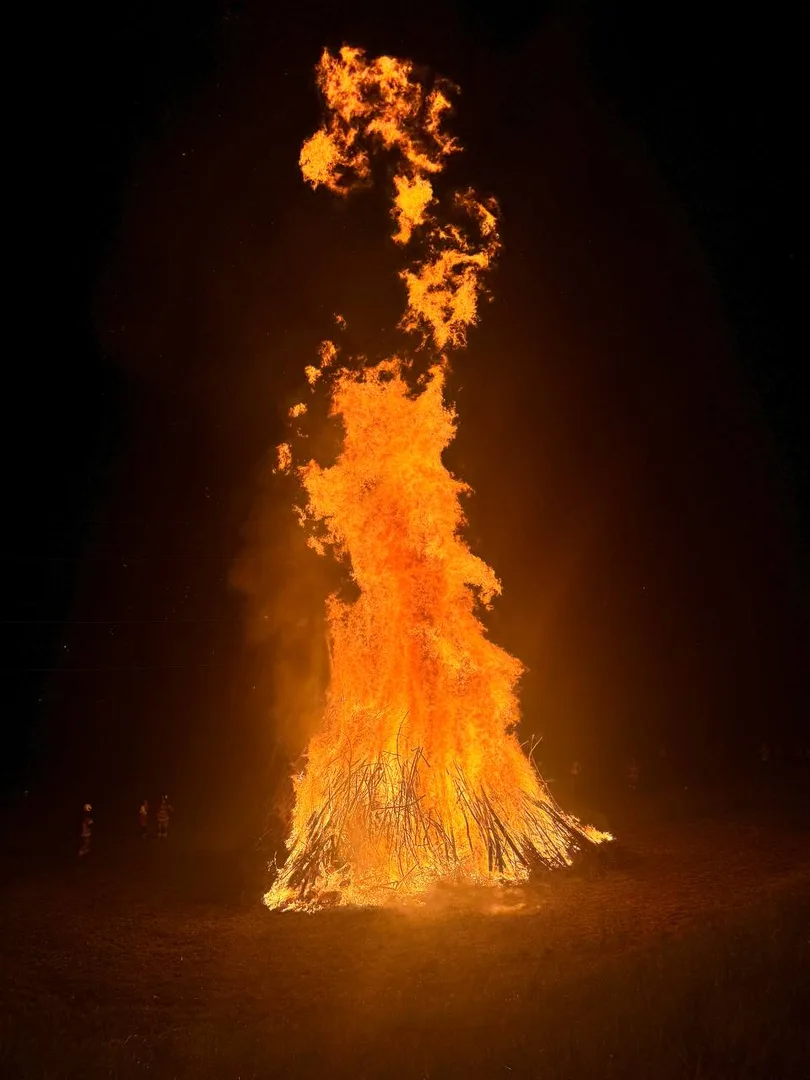
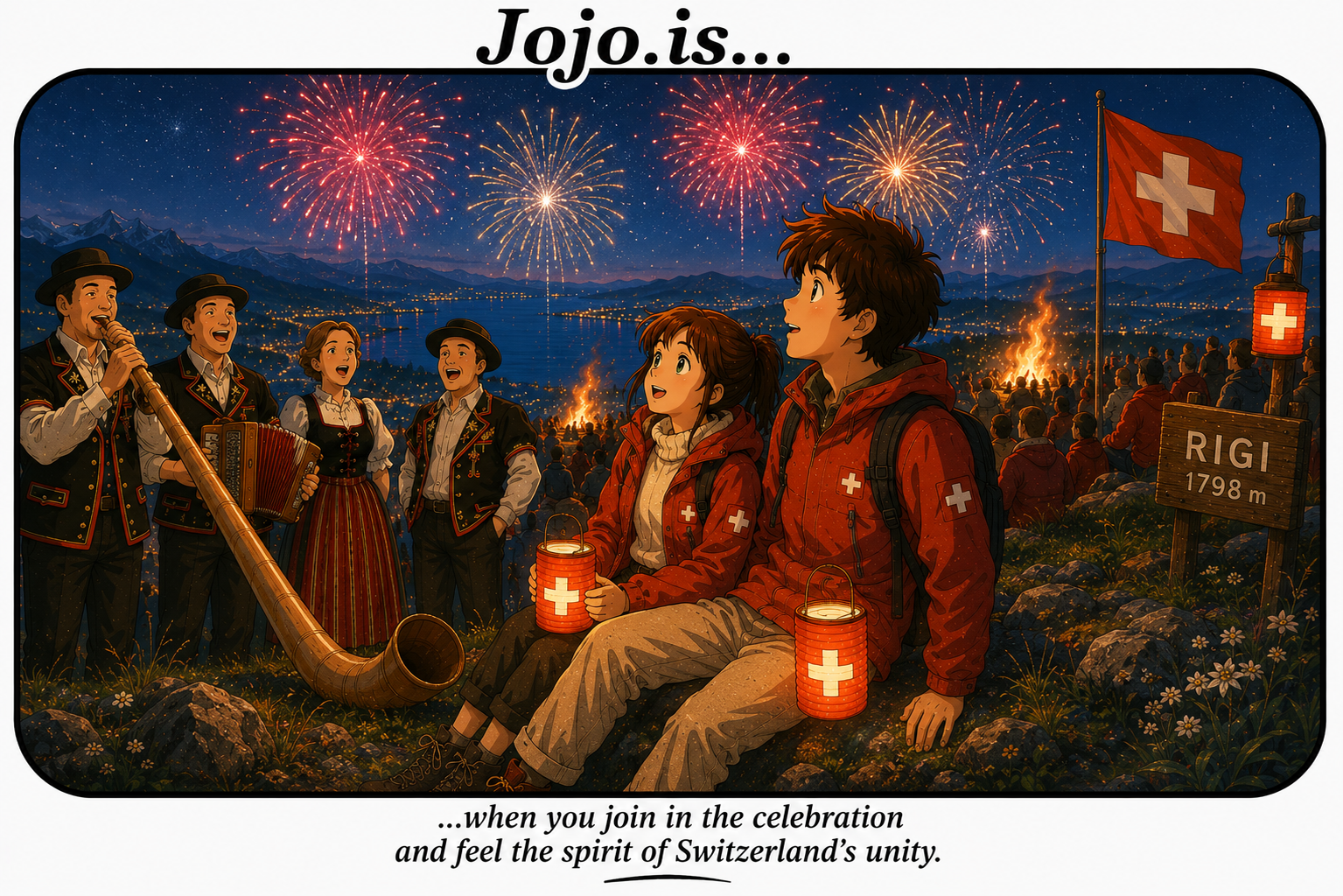
After dark, large ceremonial bonfires are lit on hilltops and village squares. In some places, flaming crosses or Swiss cross shapes are ignited on mountainsides. The scale varies from commune to commune.
Fireworks
Cities and lakeside towns launch fireworks, though the size and style differ enormously — from professional shows over Lake Geneva to informal private fireworks in Zürich parks.
Lantern processions
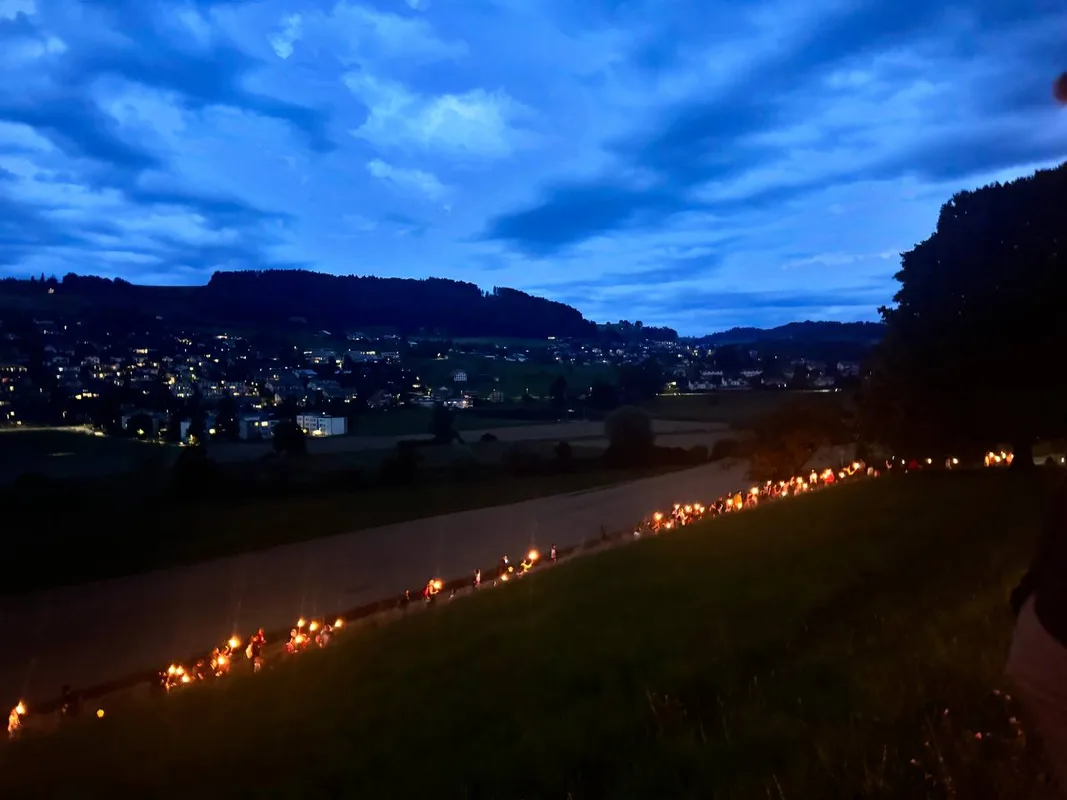
In many towns and villages, children walk through the streets carrying paper lanterns decorated with the Swiss cross or their canton's coat of arms. These processions typically happen in the evening before the bonfire and fireworks.
Official speeches and the national anthem
The President of the Swiss Confederation delivers a national address. Federal councillors, cantonal politicians, and commune leaders also give speeches. The national anthem — the Swiss Psalm (Schweizerpsalm) — is sung at ceremonies across the country.
Folklore
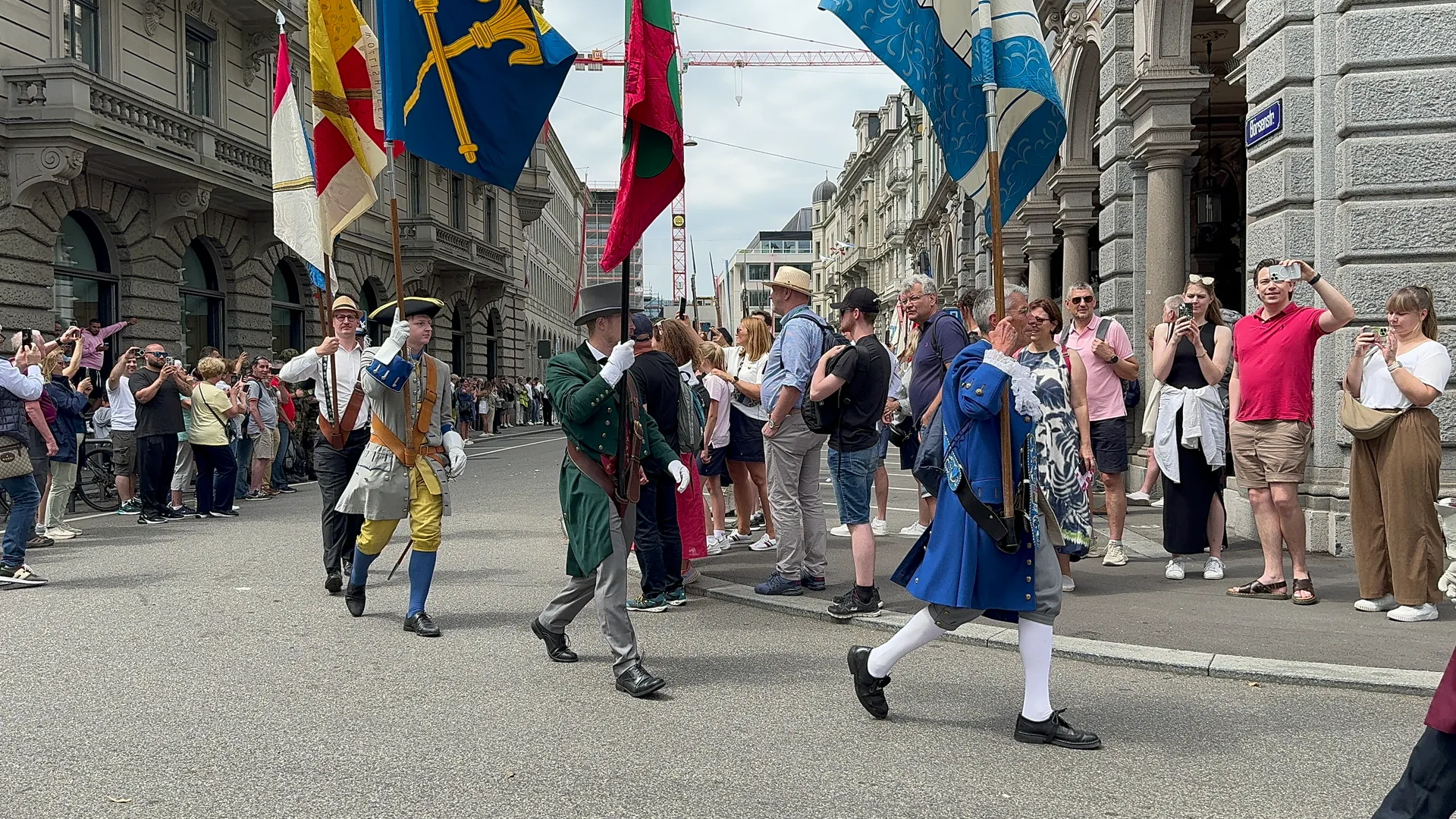
Alpine horn players, yodel choirs, traditional flag-throwing (Fahnenschwingen), folk costumes, music, and dramatic performances of the William Tell story. These elements are especially common in rural and mountain regions, but appear at larger urban celebrations too.
Farm breakfast (Brunch auf dem Bauernhof)
A relatively young but hugely popular tradition — now over 30 years old. Farm families invite guests for a communal breakfast or brunch with local products: braided bread (Zopf), cheese, cold cuts, Rösti, eggs, jam, and Bircher muesli. Reservations are required: brunch.ch
Celebrating in the Big Cities
Each major Swiss city celebrates differently, reflecting its own culture and traditions.
Geneva — the best urban bonfire
The main celebration takes place on August 1st in Parc La Grange, from 15:00 to midnight. The program includes Alpine horns, flag-throwing, drummers, children's activities, a lantern procession, concerts, and food. Around 21:30, a large ceremonial bonfire is lit.
There is no official city fireworks show in Geneva, so the atmosphere is built around the park, the fire, and the communal celebration. It's busy, but the large green space keeps it from feeling overwhelming.
Best for: a real bonfire in a big city.
Bern — cozy, centered on lanterns
The celebration takes place on Bundesplatz in front of the Federal Palace, from 11:00 to 23:30. Local musicians, food, a family program, and free short city tours. In the evening, children walk through the Old Town with lanterns.
The atmosphere is open and relaxed despite being in the capital. The focus is on community, music, and lanterns rather than a large bonfire.
Best for: a calm urban atmosphere with lantern processions.
Basel — the biggest and loudest
The main city celebration happens on July 31st, not August 1st: from 17:00 to 02:00, about 100 food and drink stands line both banks of the Rhine, and at 23:00 a major fireworks show launches from two boats on the river.
On August 1st itself, celebrations continue at the Bruderholz hill: the venue opens at 17:00, the official ceremony starts around 19:30, and a fire show and fireworks run from 22:30.
Beautiful, but closer to a large urban festival than a traditional community gathering.
Best for: a spectacular evening show.
Lausanne — fireworks over the lake
Celebrations take place in Ouchy, at Place de la Navigation. The official ceremony starts at 19:30, and fireworks launch from the lake at 22:00. Free entry.
2026 note: the day will be especially crowded — from 10:00 to 18:00, the Tour de France Femmes fan zone operates at the same location. The stage start is at 14:15, with riders expected back around 17:45.
Best for: lakeside fireworks.
Zürich — informal and family-style
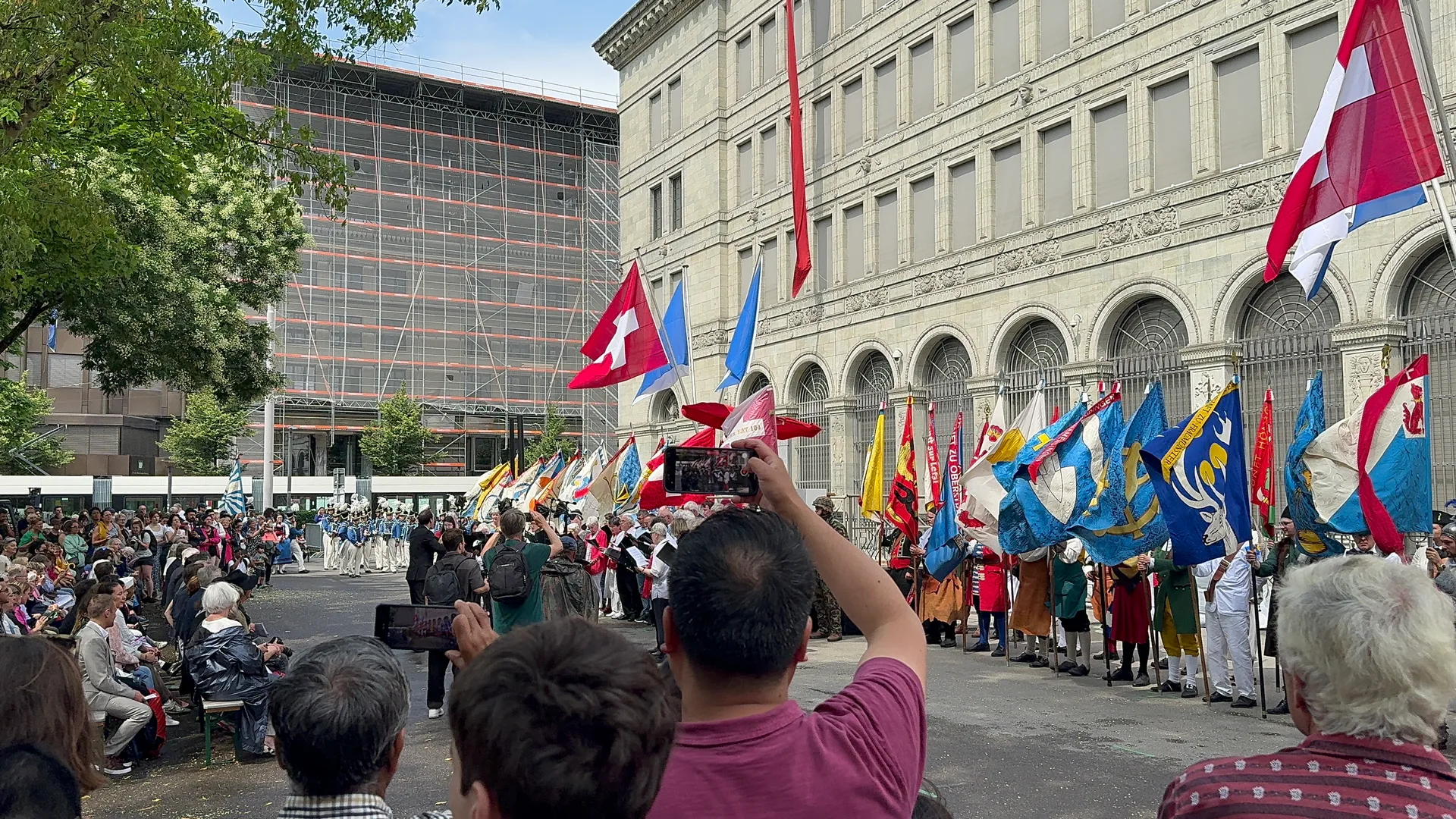
Zürich doesn't organize a single official city fireworks show. There are ceremonies at the Grossmünster and Stadthausanlage, but many residents celebrate privately: picnics and barbecues in parks, gatherings by the lake, and countless small private fireworks after dark.
It can feel very "homemade," which is charming — but harder for a tourist to find the center of things. There's no single main venue to simply show up at.
Best for: an informal celebration among locals (if you know where to go).
Lucerne — main event on July 31st
The main official ceremony takes place on the evening of July 31st at KKL on Europaplatz: children's and food program from 14:00, folklore from 16:00, official speeches at 19:15, music and dancing after 20:00. In 2026, the speech will be delivered by Federal Councillor Elisabeth Baume-Schneider.
Best for: a well-organized official celebration with folklore.
Montreux — fireworks on Lake Geneva
Montreux is one of the most scenic places to celebrate Swiss National Day. The festivities take place along the lakeside promenade and the Market Square, with food stalls, live music, a craft market, and a festive atmosphere throughout the day. The official ceremony begins at 11:45, followed by a traditional Swiss aperitif offered by the municipality. The highlight of the evening is the 22:30 fireworks display over Lake Geneva.
From July 29 to August 2, the lakeside hosts an artisan market with concerts, food, and entertainment, making Montreux one of the few destinations where the National Day celebrations last several days rather than just one.
If you prefer a more local experience, nearby villages such as Clarens, Chernex, Glion, Brent, and Territet organize their own celebrations with lantern parades, Alpine horns, community dinners, bonfires, and traditional ceremonies.
Best for: lakeside atmosphere, fireworks, and combining the main celebration with authentic village traditions.
Celebrating With Bonfires and Village Atmosphere
For a bonfire and the feeling of a real Swiss village celebration, choose a mountain village or a small venue above a lake.
Rigi Scheidegg / Burggeist — the most scenic and intimate bonfire
On August 1st, 2026, mountain bonfires are lit at 21:45. Spend the afternoon hiking, then have dinner at one of the mountain inns. The organizers describe the evening as a quiet gathering: bonfires nearby, city fireworks visible far below.
Late cable car descent available at approximately 22:15. Best to stay overnight on Rigi or in the Goldau area.
Atmosphere: small groups, mountain inn, tourists mixed with locals, no big stage.
Engelberg — the most authentic village festival
A full-day Dorffest: food stalls, music, family activities. In the evening, a service in the monastery church, children's lantern distribution, a procession to Kurpark, yodeling, Alpine horns, and bonfires on the slopes around the village. A traditional flaming cross is lit on Mount Hahnen.
Private fireworks are banned at the official ceremony site, so the atmosphere is built on music, lanterns, and mountain fires — not pyrotechnics.
Atmosphere: livelier than Rigi, but still very local and family-oriented.
Beckenried + Klewenalp — village by the lake, bonfire in the mountains
In Beckenried itself, the Beggo Fäscht takes place on the village square: local music, food, drinks, free entry. On Klewenalp above the village, an atmospheric Höhenfeuer is planned for the evening, weather permitting.
Check the last cable car descent times before going.
Atmosphere: a good compromise between lake, village life, and a real mountain bonfire.
Weggis — coziest with children, but no guaranteed bonfire
Celebrations in a pavilion right on the lake: folklore performances and a children's lantern procession. Free entry, held in any weather. A separate large bonfire is not currently listed in the program.
Atmosphere: family-friendly, quiet, very "local" — come for lanterns and folklore, not fire.
Stoos — a good option starting July 31st
Stoos celebrates the evening before: local music, flag-throwers, Alpine horns, children's lantern procession, and bonfire lighting at 21:15 on July 31st. The program explicitly promises gemütliches Beisammensein — a cozy, relaxed gathering.
Atmosphere: intimate mountain celebration, best with an overnight stay.
Brienz — beautiful celebration by the lake
On August 1st, 2026: local food and drinks, Alpine horns and flag-throwers, a ceremonial speech, live music, a flaming Swiss cross lit on the Burg cliff above the village, and fireworks over the lake (weather and safety permitting).
Note: Brienz features a fire cross on the cliff rather than a classic bonfire to sit around. Visually spectacular — fire above the village, dark mountains, reflections in the lake — but a slightly more organized format than a village Höhenfeuer.
Atmosphere: more intimate than any big city celebration, with shared tables on Cholplatz.
Best Spots to See Multiple Bonfires From Above
To see many fires across different slopes and lakeshores, you need a high, open viewpoint with late transport.
Rigi Kulm — the widest panorama
From the summit of Rigi, you get a nearly 360-degree view over Lake Lucerne, Lake Zug, valleys, and the populated slopes of Central Switzerland. The best chance to see multiple distant Höhenfeuer, fire crosses, and fireworks from different communes simultaneously.
On August 1st, 2026, special late trains run: last descent from Rigi Kulm at 22:40, arriving Arth-Goldau at 23:27 or Vitznau at 23:20. This lets you wait for full darkness.
Best viewing spots: the platform at Rigi Kulm, the section between Rigi Kulm and Rigi Staffel, or a hotel room with a view (to avoid depending on the last train).
First fires typically become clearly visible after approximately 21:20–21:40.
Niederhorn — the most reliable logistics
Niederhorn above Lake Thun looks out over a long chain of populated slopes, lakeside villages, and the Bernese Alps. Many scattered fires and fireworks are visible below, though individual bonfires may appear as small bright points.
On August 1st, the cable car runs late, with an additional descent at 23:00 and a funicular from Beatenberg to the lake at 23:20. No fireworks are launched from the mountain itself (to protect wildlife), which actually improves the view of distant fires.
Harder Kulm — easiest access from Interlaken
The viewing platform overlooks both lakes, Interlaken, and the mountain slopes. Evening services run daily, ascent takes about 10 minutes. Expect more valley fireworks than distant mountain bonfires.
Brienzer Rothorn — only with an overnight stay
The standard evening train departs at 20:40, arriving Brienz at 21:40 — before the fireworks even start (~21:50). Only viable if staying overnight at Berghaus Rothorn Kulm. Fewer populated slopes visible compared to Rigi or Lake Thun.
The Best Overall Choice: Lucerne + Lake Lucerne
For a first Swiss National Day experience, the strongest option is two nights in Lucerne — July 31st to August 2nd.
Day 1: July 31st — Lucerne
Walk the Old Town: Chapel Bridge, Water Tower, the waterfront promenade, the Lion Monument, and the Musegg Wall — all within close distance.
The celebration at Europaplatz (KKL) starts at 14:00 with a children's program, folklore, Swiss traditions, and evening music.
Day 2: August 1st — Lake and mountains
Morning boat ride on Lake Lucerne toward Brunnen, Beckenried, or Vitznau. Then ascend to Klewenalp–Stockhütte: a mountain festival is scheduled for August 1st, 2026, with an evening bonfire (weather permitting) and Alpine views.
The Lake Lucerne region offers Alpine horn performances, yodel groups, flag-throwing, official ceremonies, and local food events throughout the day.
What about Rütli?
Rütli is the most symbolic site for this holiday, but the official ceremony on August 1st, 2026 required advance registration. The application deadline was July 21st. Building a trip around the official Rütli event at this point is risky.
Other Strong Options
Gruyères — the most fairy-tale atmosphere
A medieval town, a castle, traditional costumes, and a more intimate celebration. In 2026, the free program runs July 31st and August 1st: outdoor concerts, family activities, Swiss traditions, and fireworks. Visit: Gruyères Castle, the cobblestone old town, and a cheese dairy nearby.
Bern — the capital celebration
Bundesplatz, August 1st, ~11:00–23:30: music, culture, family program, food. Before the celebration: Old Town, Zytglogge, Bern Cathedral, Bear Park, Rosengarten.
Zermatt — mountains and the Matterhorn
In 2026, celebrations start July 31st: program at Leisee lake, concerts on Bahnhofstrasse, continuing August 1st. The main excursion: the Gornergrat train for views of the Matterhorn.
Basel or Rhine Falls — for the biggest fireworks
Both happen on the evening of July 31st. Basel's Rhine-side festival (17:00, ~100 food stands, fireworks at 23:00). Rhine Falls in Neuhausen: waterfall illumination, light effects, and a major fireworks display.
Important Fire Restriction Warning (2026)
The Rigi region currently has an active fire ban in forests and within 50 meters of forests. Bonfires at Rigi Scheidegg and Burggeist are scheduled for approximately 21:30 but will only proceed if there is no fire danger. The same applies to Brienz, where a fire danger warning was published on July 23rd, 2026.
Always check the organizer's website 1–2 days before the celebration. Bonfires depend on weather, fire risk, and last-minute decisions by local authorities.
Expectations vs Reality
August 1st in Switzerland is worth experiencing at least once — but not for the expectation of seeing "dozens of bonfires." That's more of a beautiful bonus than a guaranteed show.
You'll love it if you enjoy:
Small village gatherings instead of mass festivals. Alpine horns, flags, lanterns, local food. An evening by a lake or in the mountains. A quiet atmosphere where local families sit at the next table.
What not to expect:
From a high summit, bonfires don't look like a continuous chain of fire — they appear as a few small bright points on distant slopes, mixed with fireworks and village lights. It can be beautiful, but less dramatic than the promotional photos suggest.
Bonfires depend on fire danger conditions. Even planned Höhenfeuer can be cancelled at the last moment if there's a forest fire risk.
Don't go to a summit just for the bonfires. Too much depends on clouds, haze, fire restrictions, and how many communes actually decide to light them.
Instead, build the day like this:
Morning: farm breakfast (Brunch auf dem Bauernhof — book at brunch.ch).
Daytime: a lake, a village, or a gentle hike. Talk to locals, watch the folklore, eat well.
Evening: join a local celebration with food and music.
After dark: enjoy the fire crosses, scattered bonfires, and fireworks as a bonus — not as the main event.
The most valuable moment of August 1st isn't the fireworks. It's the moment just before them: local families taking their seats, a small brass band playing, children carrying lanterns, people greeting neighbors. For a few hours, a tourist is allowed inside the life of a Swiss commune. That's what makes this day genuinely worth seeing.
If you want it all in one trip:
The best first experience: July 31st in Lucerne, August 1st on a boat across Lake Lucerne and up to Klewenalp. The most complete combination of traditions, nature, and views.
The most scenic bonfire: Rigi Scheidegg — overnight on Rigi.
The most authentic village festival: Engelberg.
The best lake + mountain combo: Beckenried / Klewenalp.
For families with children: Weggis.
To start celebrating on July 31st: Stoos or Basel.
The most fairy-tale setting: Gruyères.
The most spectacular show: Basel (July 31st) or Rhine Falls.
Events
Country: Switzerland
- Morges Tulip Festival — Switzerland's Free Answer to KeukenhofApril - May
- Medieval Spectacle Hinwil — Switzerland's Biggest Knight TournamentMay
- Caves Ouvertes Vaudoises — The Swiss Wine Weekend That Lets You Into Local LifeMay
- The Day Rolle Winds Back a Century: The Barrel Organ Festival on Lake GenevaAugust
- Tractors, Confetti and New Wine: Harvest Festivals in SwitzerlandSeptember - October
- When the Bells Come Down the Mountain: Switzerland’s Living Alpabzug TraditionSeptember - October
- The light show “Rendez-vous Bundesplatz” in Bern: it’s worth seeingOctober
Also available in
Tags
Jojo is Joyful Journeys!