Tractors, Confetti and New Wine: Harvest Festivals in Switzerland
Event schedule:
Event calendars

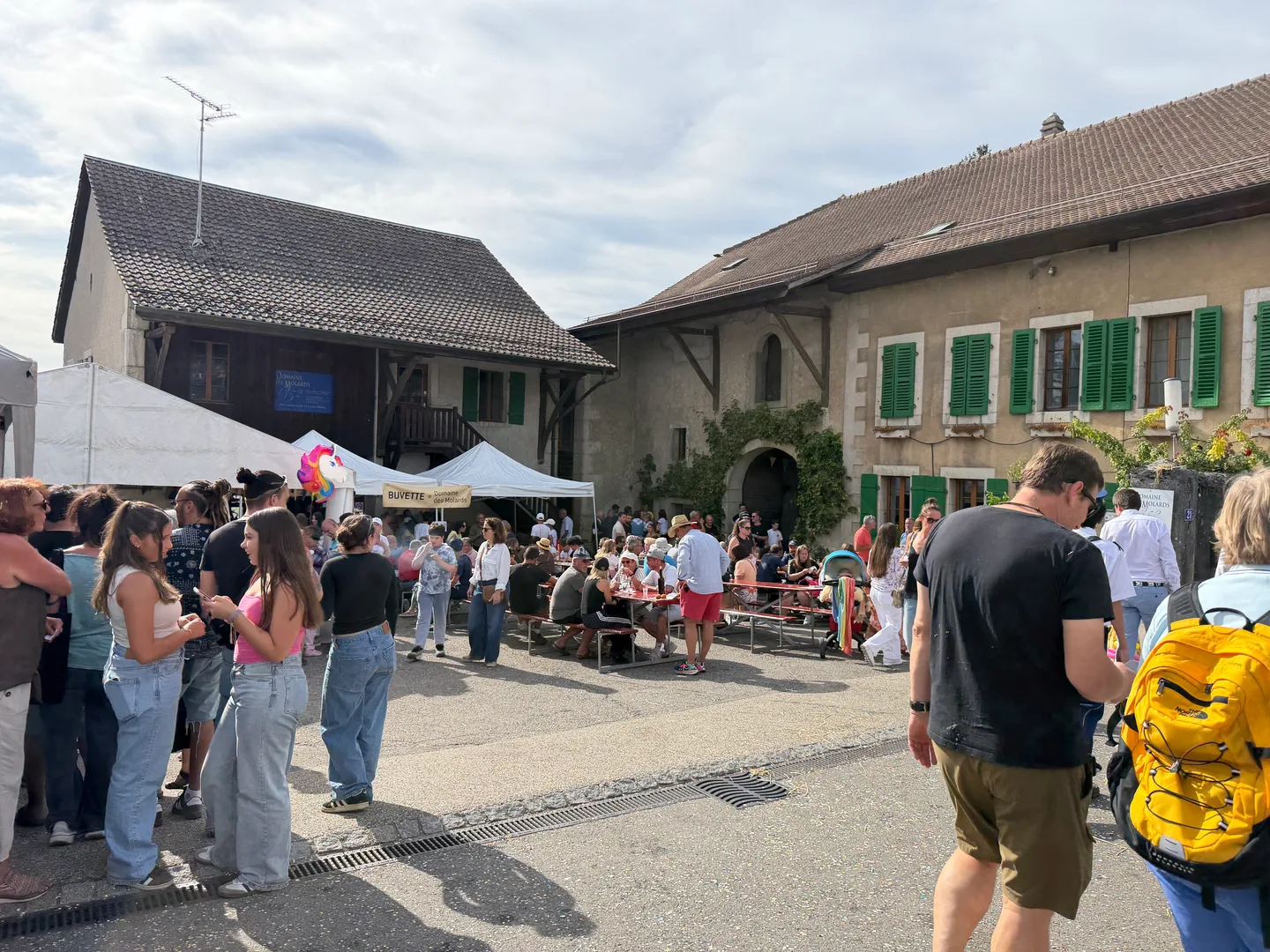
If you've never been to a harvest festival in Switzerland, you've missed what might be the most fun event of the year, and one that's really put on for the people who live in the villages. A good example is the festival in Russin, a small wine village just outside Geneva. It has an almost homely, family feel, with music, dancing, local food and, of course, regional specialties and local wine.
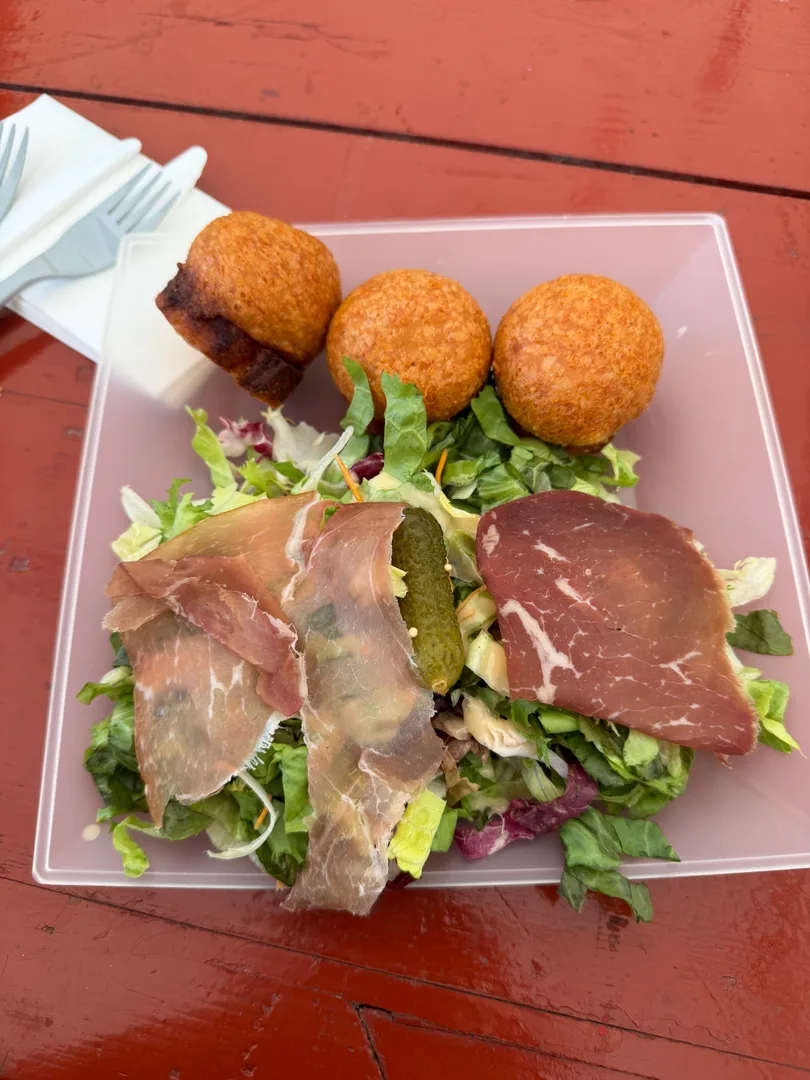
Local farmers are happy to treat everyone, locals and visitors alike, to fresh fruit and wine.
There's cheerful singing everywhere, laughter and the happy buzz of a party. People eat, try local produce and buy treats for themselves and the people they love.
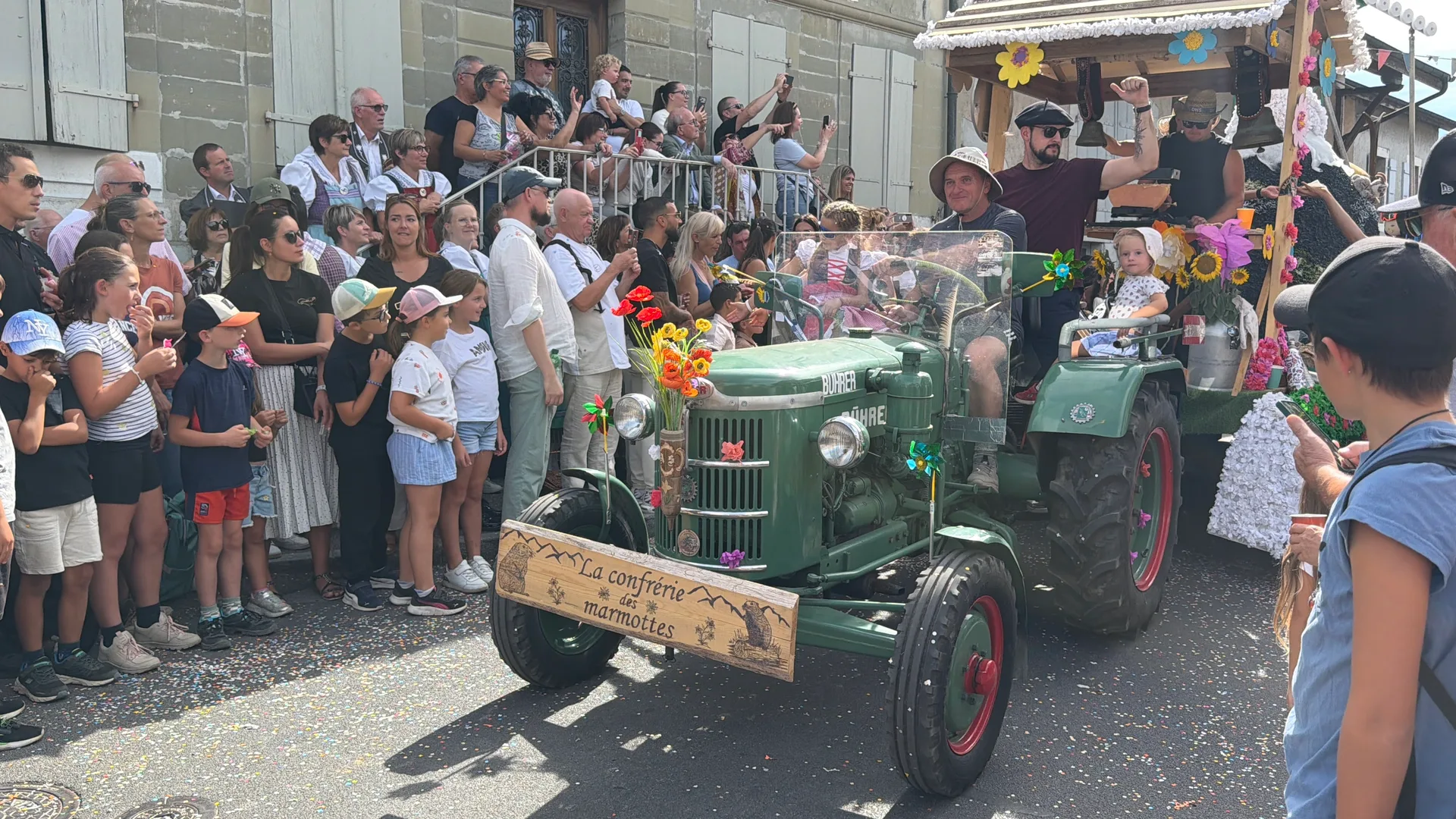
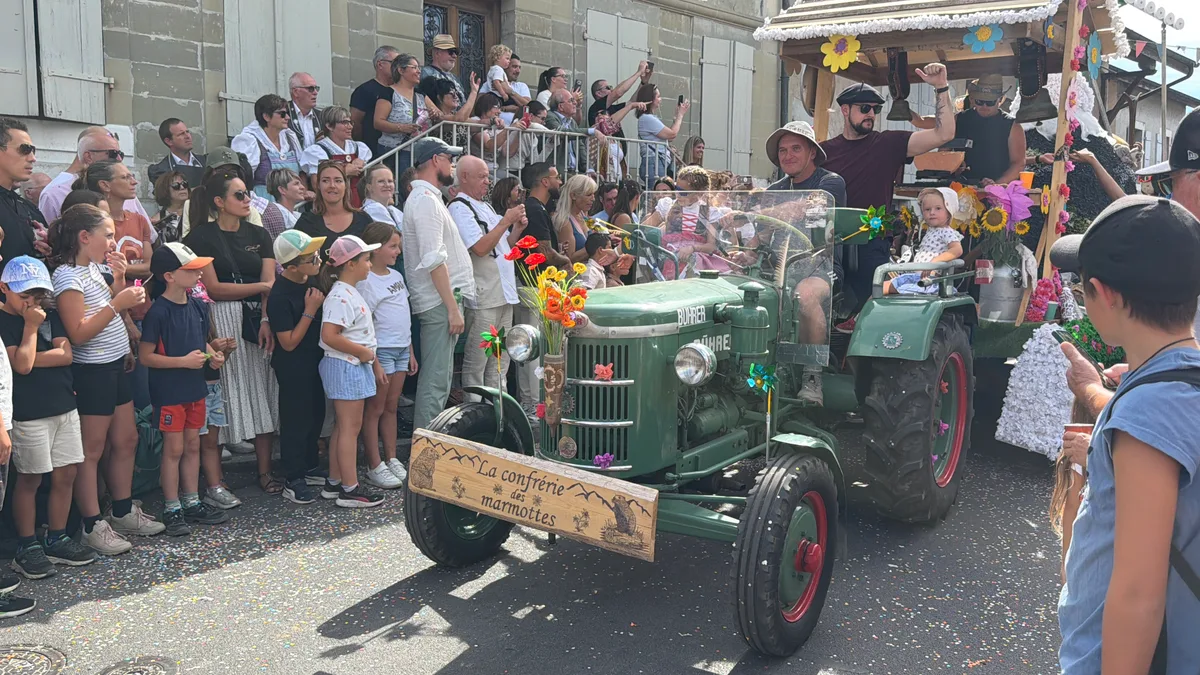
The village parades are great fun. Lots of hay, confetti, music and, of course, big tractors, which are the real stars of the show.
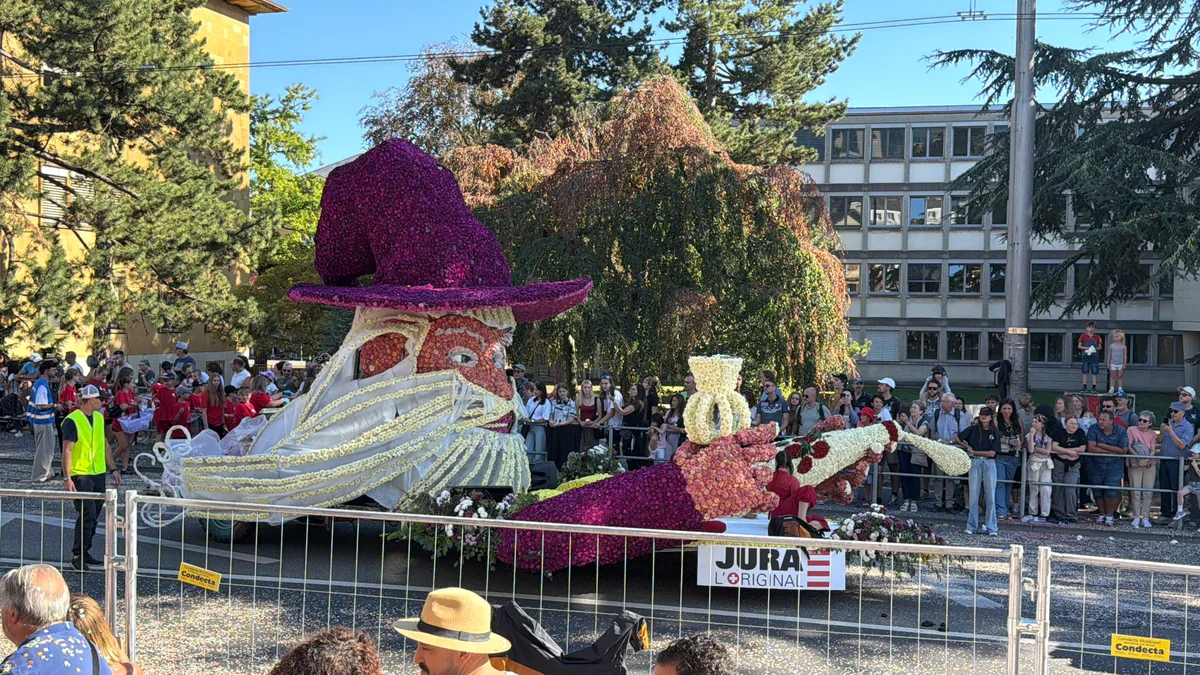
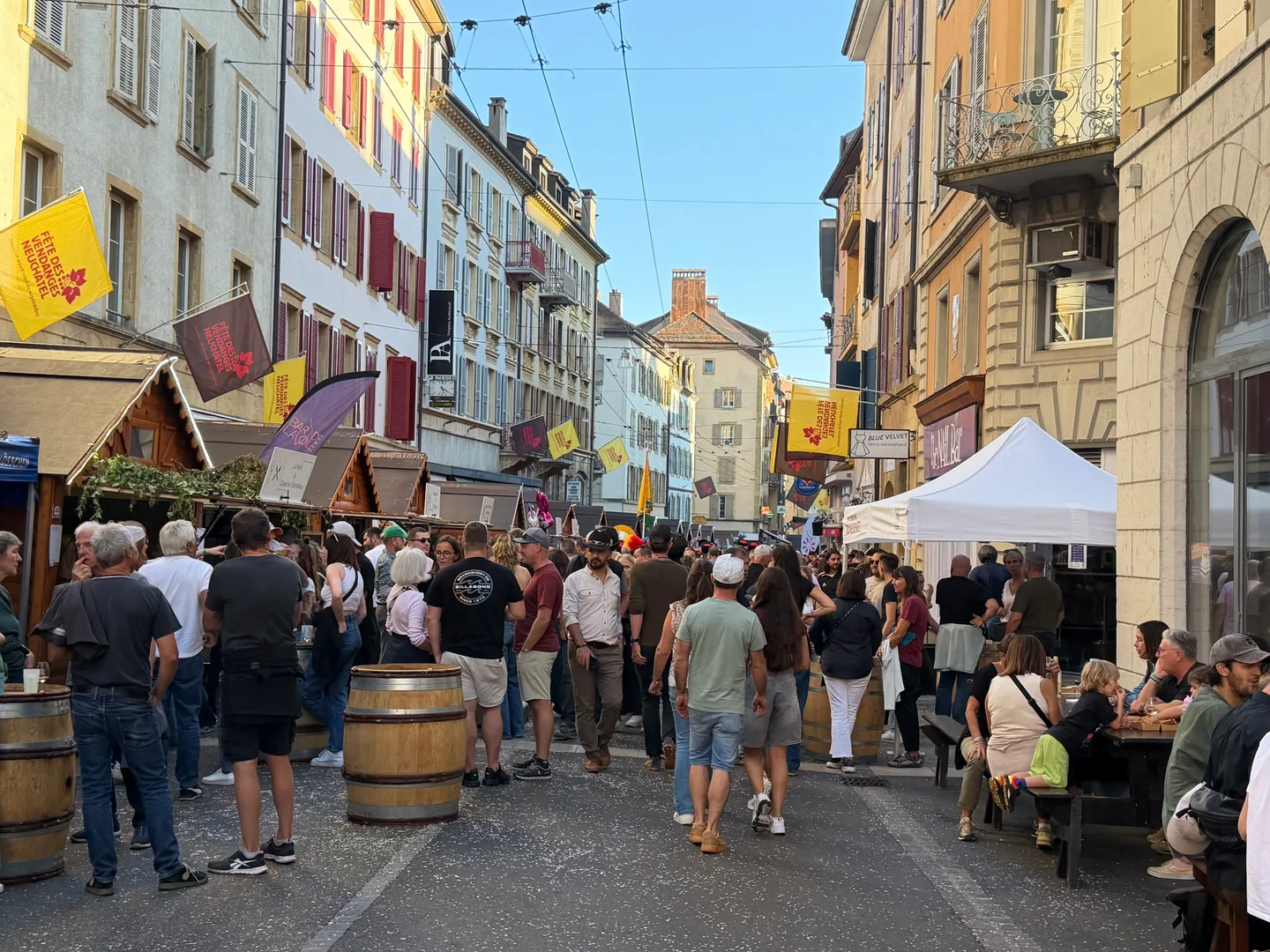
Bigger towns like Neuchâtel have their own harvest festival too, and it's huge. Almost the whole town is closed off, and it gets so crowded you can barely move. The parades through the centre are absolutely beautiful.
But a big city just can't give you the atmosphere of a harvest festival in a small village.
What is it, and why do people celebrate it?
In Switzerland, the harvest festival isn't one national holiday with a fixed date. It's a whole family of autumn traditions. In German it's often called Erntedankfest ("harvest thanksgiving"), while in French-speaking Switzerland you'll hear Fêtes des récoltes and, above all, Fêtes des vendanges, which celebrate the end of the grape harvest.
Originally, the point was to give thanks for the harvest and for the food that would last through the winter. In a farming society, a good harvest mattered enormously, because it decided how well people would get through the cold months.
Autumn was also when the farming season came to an end. Farmers sold livestock and produce, seasonal workers got paid for their summer's work, and there were markets and fairs. So the end of the harvest naturally turned into a celebration with food, music and dancing.
The main idea behind a Swiss harvest festival is simple: the hard work of the farming year is over, the harvest is in and the stores are full. So people give thanks and celebrate together with their families and the whole community.
When did it start?
There's no single date. The festival grew into a tradition on its own, as something people simply did once the harvest was over.
The Christian custom of holding a special service after the harvest goes back at least to the 3rd century. At these services, people thanked God for the harvest and brought produce to church: vegetables, fruit, grain and bread.
In Switzerland, though, the Erntedankfeste we know today really took off in the 20th century, especially during the Second World War, when feeding the country became a top priority. Some Swiss traditions that mark the end of the farming season are much older, such as the Älplerchilbi, the festivals that close the summer season in the Alps.
Why are there so many harvest festivals in Switzerland?
It comes down to how varied the farming and the regions are. In one place it's all about grapes, in another it's grain, chestnuts, fruit, dairy or livestock. That's why the dates vary too.
These festivals usually take place in September or October, when the main work on the farms is winding down. In the wine regions of Vaud, Valais, Neuchâtel and Ticino, the grape harvest festivals are especially well known. In Ticino and the Val Bregaglia, for example, there are also traditional chestnut festivals.
The main traditions
Traditions vary a little from canton to canton, but here's what you'll often see:
Churches and squares decorated with the harvest: pumpkins, apples, grapes, grain, flowers and bread.
Thanksgiving services, especially in rural communities.
Autumn markets selling cheese, bread, sausages, fruit, wine and other local products.
Shared meals and tastings of the new harvest.
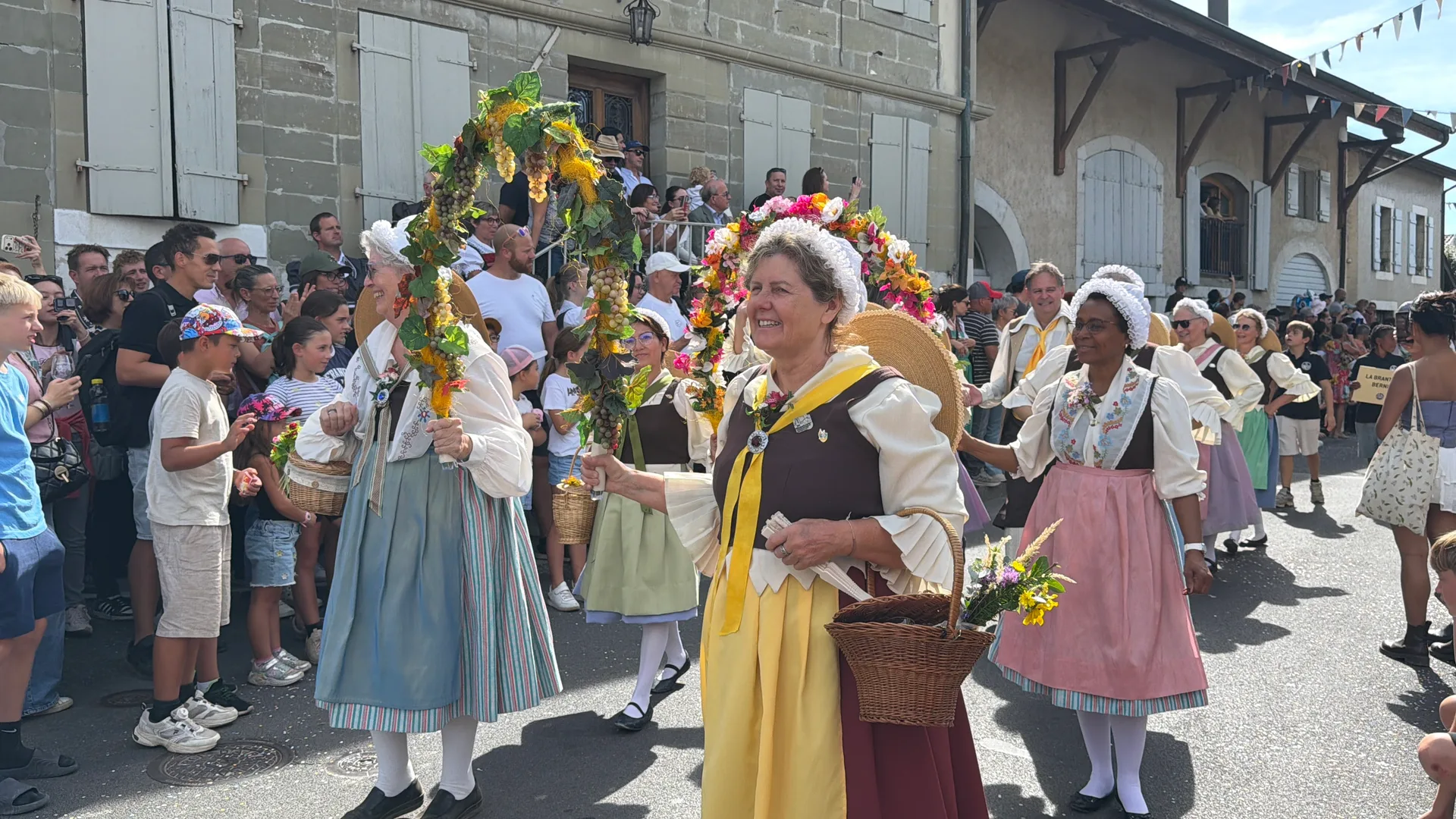
Music, traditional costumes and dancing.
Parades and decorated carts.
In wine regions, tastings of the new wine and celebrations in honour of the winegrowers.
In the Alps, the festival may be tied to the end of the summer grazing season, when the cows come down from the mountains.
A famous example: Neuchâtel
One of the biggest harvest festivals in Switzerland is the Fête des Vendanges de Neuchâtel, the grape harvest festival in Neuchâtel.
The modern tradition began on 24 October 1902, when Neuchâtel's cycling club put on a light-hearted parade through town. In 1925 the festival association was founded and the fête took on the form it has today, and over the years it grew into a huge event for the whole city.
Today there's a flower parade, a children's parade, brass bands, confetti, funfair rides, and tastings of local food and wine. The festival is traditionally held on the last weekend of September.
Harvest festivals in other regions
Neuchâtel is the best known, but almost every wine or farming region has its own festival. A few worth knowing about:
Vaud. In Lutry, in the Lavaux vineyards on Lake Geneva, the Fête des Vendanges takes place on the last weekend of September. Local clubs set up pop-up wine cellars, and on Sunday afternoon the schoolchildren parade in costume. The profits pay for the town's children's holiday camp.
Vaud, once a generation. The Fête des Vignerons in Vevey happens only about every 20 to 25 years. The last one was in 2019, and it's on UNESCO's list of intangible cultural heritage.
Bern. The Sichlete in mid-September is one of the biggest harvest thanksgivings in Switzerland. It's combined with an Alpabzug, when the cows come down from the mountains.
Aargau. The Winzerfest in Döttingen in early October is the biggest wine festival in German-speaking Switzerland: three days, around 50,000 visitors, a market with over 100 stalls on Saturday and a big parade of floats on Sunday.
Graubünden. In the Val Müstair, the Festa da la Racolta is held on the first weekend of October.
Ticino. Here autumn is all about chestnuts. In October, Ascona's chestnut festival takes over the lakefront, where more than two tonnes of chestnuts get roasted, and smaller castagnate pop up in villages all over the canton.

If you want a really big, colourful festival, go to Neuchâtel. Just keep in mind that the flower parade is a ticketed event held in a fenced-off area. If you want to see it up close, buy front-row seats in advance or get to the standing areas early to grab a spot at the front. There are places where you can watch without going into the paid area, but then it's down to luck how much you'll actually see. The people in the parade hand out lots of treats to the crowd, so being close is fun and tasty!
But if you'd rather have a warm, calmer, more family-style festival, pick a small town or a village. And of course, go by public transport, so you can try the local wine and specialties, dance with the locals and sing at least a few songs.
Practical tips
Check the dates every year. Most harvest festivals happen between mid-September and mid-October, but the exact weekend changes. In 2026, for example, Russin was on 19–20 September, and Lutry and Neuchâtel the weekend after. The festival or commune website usually posts the dates over the summer.
Entry is usually free. At village festivals like Russin and Lutry you only pay for food and drink. Sometimes the main parade is ticketed, as in Neuchâtel.
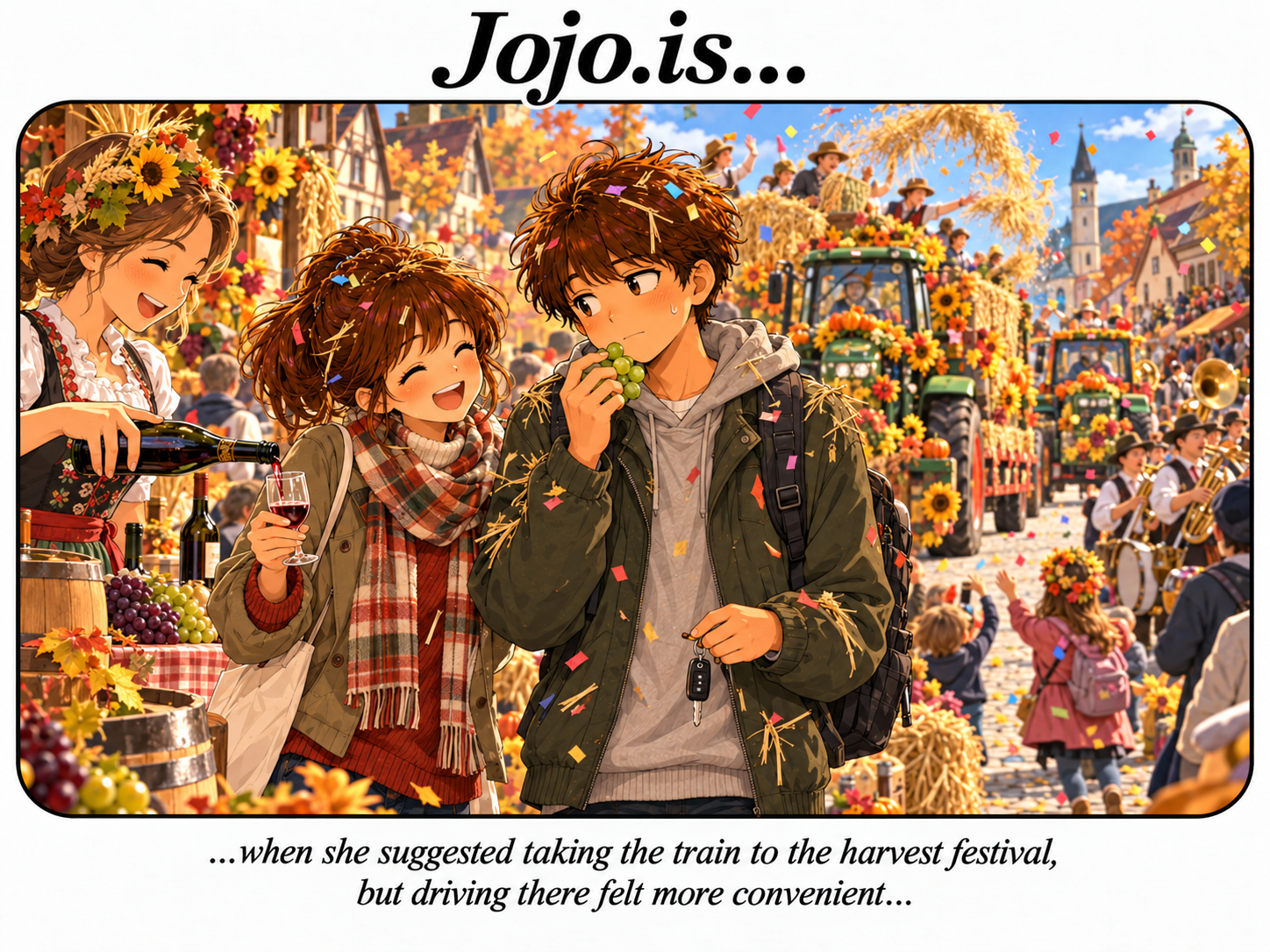
Take the train. Swiss drink-driving rules are strict, so leave the car at home. Russin has its own station on the Léman Express (L5 and L6), about 15 minutes from Geneva, and in past years there's been a free night bus home. In Lutry, the station is a five-minute walk from the festival, and there are free shuttle buses.
Bring some cash. Lots of stands take cards or TWINT these days, but it's handy to have cash for the small stalls.
Know the age limits. In Switzerland, beer and wine are sold from 16 and spirits from 18. In Ticino it's 18 for all alcohol. If you look young, bring ID.
Dress in layers. Late September afternoons can be warm, but evenings get chilly. Wear comfortable shoes: you'll be on your feet all day, often on cobbles or steep village streets.
Bring a bag. You'll want to take home fruit, cheese and a bottle or two from the winegrowers.
Kids are welcome. Most festivals have rides, children's parades and activities. In Russin there are pony rides and land art for children. Expect confetti in every pocket afterwards.
Mind your bag in big crowds. At the large festivals, pickpockets turn up too.
Events
Country: Switzerland
- The light show “Rendez-vous Bundesplatz” in Bern: it’s worth seeingOctober
- Morges Tulip Festival — Switzerland's Free Answer to KeukenhofApril - May
- Medieval Spectacle Hinwil — Switzerland's Biggest Knight TournamentMay
- Caves Ouvertes Vaudoises — The Swiss Wine Weekend That Lets You Into Local LifeMay
- Swiss National Day — The Complete Guide to August 1st (2026 Edition)August 1
- The Day Rolle Winds Back a Century: The Barrel Organ Festival on Lake GenevaAugust
- When the Bells Come Down the Mountain: Switzerland’s Living Alpabzug TraditionSeptember - October
Tags
Jojo is Joyful Journeys!